MWE Correspondent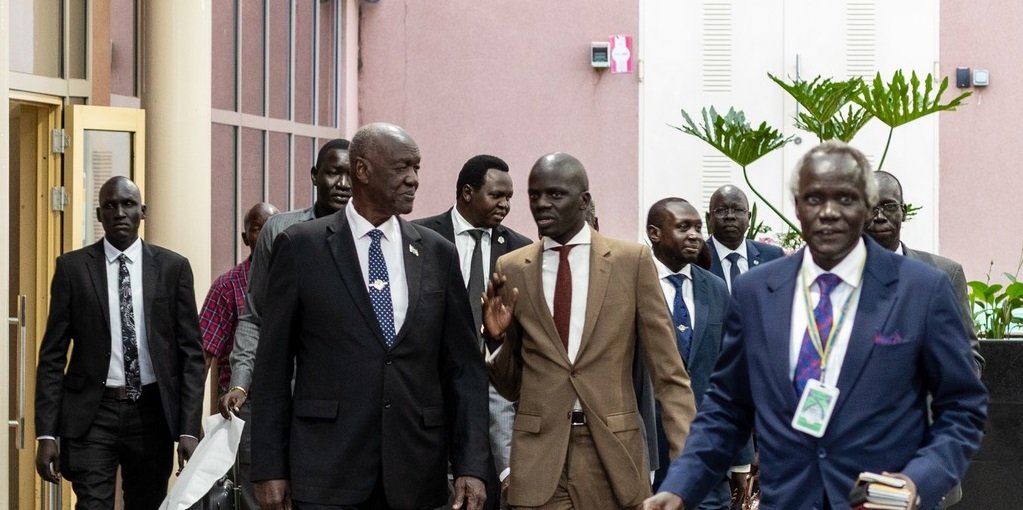
Peace negotiations aimed at ending South Sudan’s prolonged political and security crisis have resumed in Nairobi, Kenya, offering renewed hope for dialogue after months of stagnation.
The talks, known as the Tumaini Initiative, were relaunched following the collapse of earlier discussions last year, when rival factions failed to bridge deep political and security differences.
The renewed negotiations are being viewed as a critical opportunity to revive momentum toward lasting peace in South Sudan, a country that has struggled to achieve stability since gaining independence in 2011. Years of political rivalry, intermittent violence, and humanitarian hardship have weakened state institutions and eroded public trust in peace processes.
Diplomatic sources familiar with the talks say the Nairobi discussions are centered on rebuilding confidence among the rival groups, addressing unresolved governance questions, and reviewing commitments made under previous peace agreements. Mediators are reportedly urging the parties to adopt a more flexible approach, warning that continued delays could worsen insecurity and economic hardship across the country.
Also Read: DRC President Holds High-Level Talks in Angola
Kenya’s role as host reflects its long-standing involvement in regional diplomacy and conflict resolution. Nairobi has previously facilitated several peace initiatives for South Sudan, reinforcing its reputation as a neutral ground for dialogue. The current talks are taking place with the backing of regional bodies, including the Intergovernmental Authority on Development, which has led mediation efforts in the Horn of Africa for decades.
Previous rounds of the Tumaini Initiative collapsed after the opposing sides adopted rigid positions on sensitive issues such as power-sharing, security arrangements, and political reforms. Analysts say those failures highlighted the depth of mistrust between the parties, as well as the challenges of translating agreements on paper into action on the ground.
Despite the setbacks, regional observers believe the resumption of talks signals growing recognition that dialogue remains the only viable path forward. South Sudan continues to face significant humanitarian and economic pressures, with millions of people affected by displacement, food insecurity, and limited access to basic services.
International partners have welcomed the renewed engagement, calling on all sides to place national interests above political calculations. The United Nations Mission in South Sudan has repeatedly stressed that inclusive political dialogue is essential to preventing a return to widespread violence and to creating conditions for sustainable development.
As discussions continue in Nairobi, expectations remain cautious. Past experiences have left many skeptical about the prospects for a breakthrough. However, mediators hope that lessons learned from previous failures, combined with sustained regional pressure, will help guide the talks toward meaningful outcomes.
For ordinary South Sudanese, the revival of the Tumaini talks represents a fragile but important chance to move beyond years of conflict and uncertainty. Whether this latest effort will succeed depends largely on the willingness of rival leaders to compromise and commit to a shared vision of peace and stability.