MWE Correspondent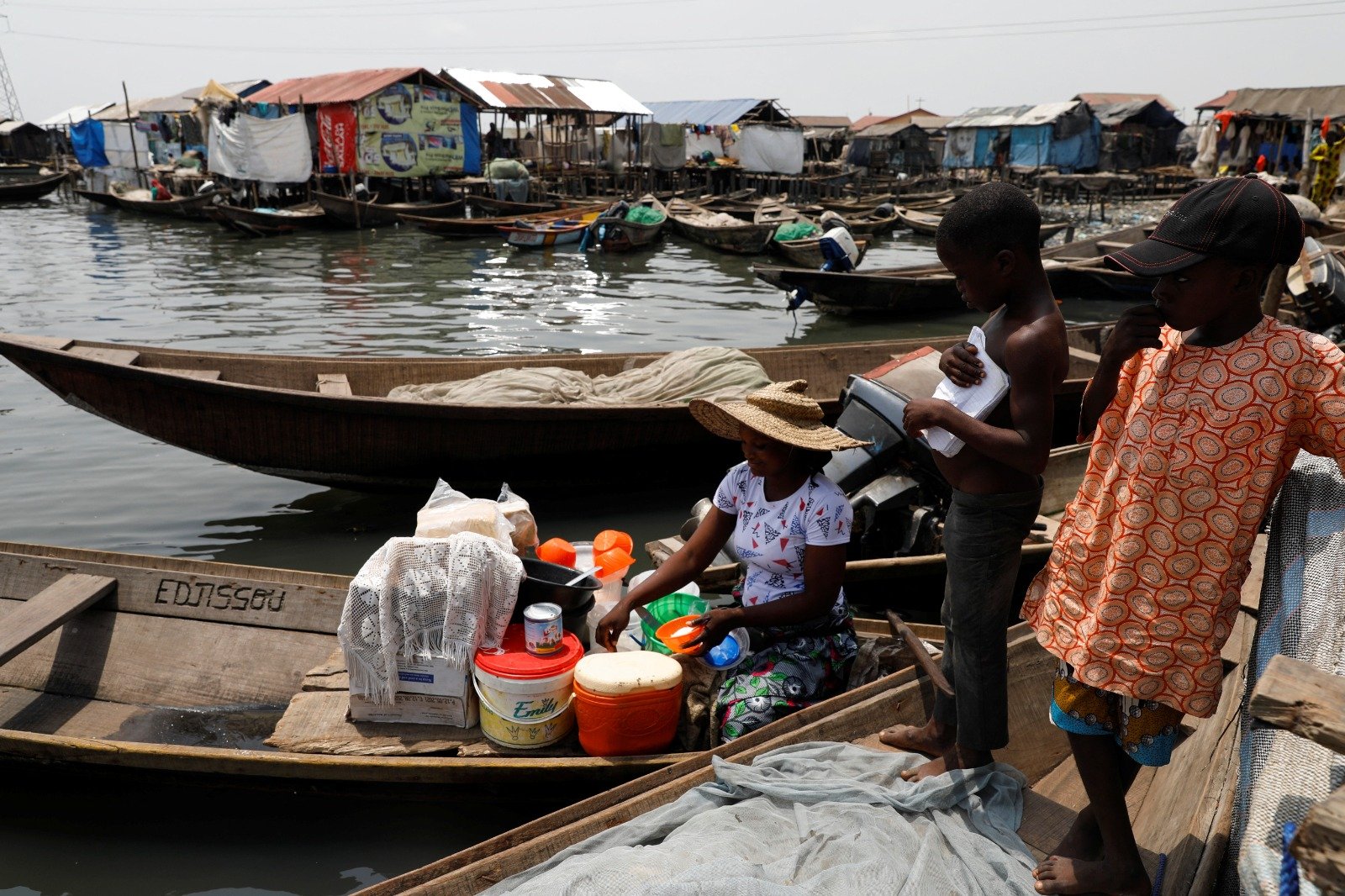
The Lagos State House of Assembly has ordered an immediate halt to demolition activities in the historic waterfront community of Makoko, following widespread protests by residents and civil society activists.
The suspension comes as authorities respond to concerns over human rights, forced evictions, and clashes between protesters and security forces.
Tensions escalated last week when residents took to the streets to protest the demolition of homes built on stilts over the Lagos Lagoon. The demonstrations, initially peaceful, turned violent after police used tear gas to disperse crowds and attempted to detain several protesters. Civil society organisations condemned the heavy-handed response and called for an independent inquiry into the handling of the situation.
During a stakeholders’ meeting on Tuesday, officials from the Assembly reaffirmed that all government agencies must immediately cease demolition operations in Makoko and neighbouring waterfront communities, including Oko‑Agbon and Shogunro, until a comprehensive review is conducted. Lawmakers emphasised that residents should be fully involved in decisions affecting their community and that urban redevelopment should prioritise safety, sustainability, and community welfarea
Also Read: Residents Protest Demolitions Near Kolwezi Airport
Makoko, known for its unique stilt houses and vibrant fishing culture, has long been at the centre of debates on urban redevelopment in Lagos. Advocates for demolition argue that certain structures pose safety risks, particularly those located near transport corridors or electrical lines. However, residents and rights groups say that the demolitions are displacing low-income families without adequate notice, compensation, or resettlement options.
Thousands of people in Makoko depend on the local waterways and informal businesses for their livelihoods. The demolitions have already disrupted schools, shops, and daily life, compounding the community’s vulnerability. Residents and activists warn that continuing demolitions without a clear, inclusive plan could have lasting social and economic consequences.
The Assembly’s decision marks a rare intervention in favour of community voices and highlights the growing pressure on local authorities to balance urban development with human rights. Lawmakers have called for a more transparent process, ensuring that redevelopment projects do not come at the expense of vulnerable populations.
Analysts note that Makoko’s situation reflects broader challenges in rapidly growing cities, where urban expansion often clashes with informal settlements. Observers hope the suspension of demolitions will allow stakeholders to work collaboratively toward solutions that protect residents while addressing infrastructure and safety concerns.