MWE Correspondent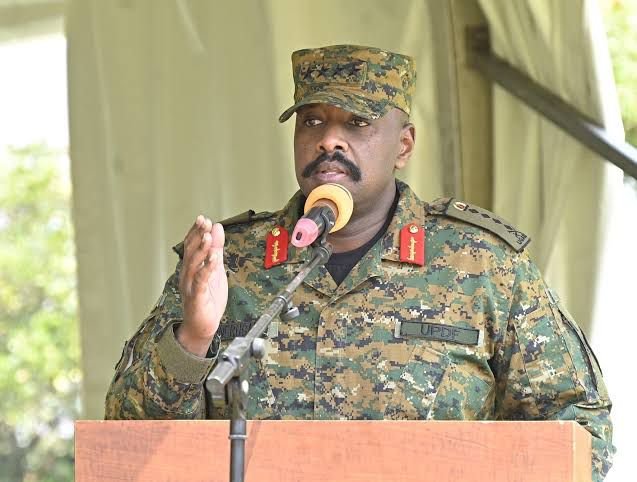
A senior United States senator has sounded the alarm over actions by Uganda’s top military commander that he says risk eroding a long‑standing security partnership between Washington and Kampala, marking a rare diplomatic tension between the two nations.
Senator Jim Risch, the Republican chairman of the U.S. Senate Foreign Relations Committee, publicly rebuked General Muhoozi Kainerugaba, Uganda’s Chief of Defence Forces and son of President Yoweri Museveni, saying the officer’s recent conduct had “crossed a red line” and warranted a comprehensive review of U.S.–Uganda security cooperation. His comments come amid heightened scrutiny of Uganda’s disputed January 15 presidential election, which extended President Museveni’s near‑four‑decade rule in Kampala.
General Kainerugaba’s remarks on social media late last month initially sparked the crisis. In a series of posts on X (formerly Twitter), he accused the United States Embassy in Kampala of aiding opposition leader Robert Kyagulanyi Ssentamu — widely known as Bobi Wine — who has rejected the election results and gone into hiding, alleging intimidation by security forces. The general’s posts went so far as to announce the suspension of all cooperation between the Uganda People’s Defence Force (UPDF) and the U.S. diplomatic mission, including joint operations.
The statements immediately drew concern from Washington. Risch made it clear that, in his view, deleting the social media posts and offering an apology was insufficient to address the diplomatic breach. “Commander Muhoozi Kainerugaba has crossed a red line,” said the senator, urging a reevaluation of the entire security partnership between the two states — a relationship that has included counter‑terrorism efforts and joint training for years.
Hours after his controversial posts, General Kainerugaba deleted them and issued a public apology, saying he had acted on incorrect information and reaffirming that military and diplomatic cooperation would continue as normal.
Also Read; Government Expands Support for People With Albinism Nationwide
He described his earlier assertions as the result of being “fed wrong information,” and said that conversations with the U.S. ambassador had helped to smooth tensions.
Despite the apology, Risch’s firm stance reflects broader concerns in Washington over Uganda’s political direction following what critics have termed an undemocratic election. Risch contrasted the situation in Kampala with recent electoral processes in other East African nations, reiterating that the United States would not tolerate conduct perceived as endangering American personnel, interests, or regional stability.
The broader geopolitical implications of this dispute are significant. Uganda has long been considered a key partner in regional security initiatives, particularly in efforts to counter extremist groups across the Horn of Africa. Any reassessment of military cooperation could affect not only bilateral relations with the U.S., but also ongoing multinational operations and training missions.
Meanwhile, the opposition in Uganda remains vocal. Mr. Kyagulanyi has rejected the election outcome and continues to challenge the government’s narrative, even as supporters and critics debate the impact of the diplomatic spat with Washington. As lawmakers in both the U.S. and Uganda watch developments closely, the episode underscores the delicate balance between domestic politics and international partnership in a region marked by both opportunity and fragility.