MWE Correspondent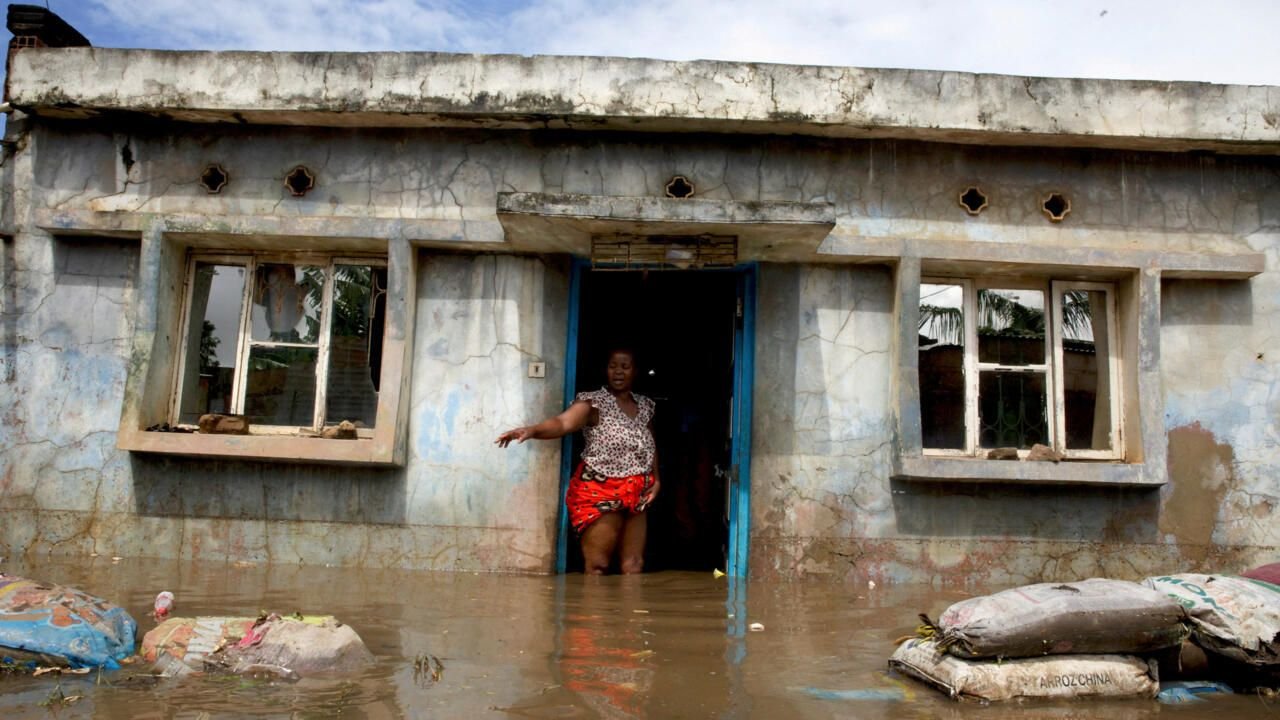
Relentless floods sweeping across southern Africa over the past several weeks are being driven by a dangerous mix of rising global temperatures and the powerful La Niña weather pattern, according to climate experts monitoring the unfolding disaster.
Communities in multiple countries have seen rivers burst their banks after days of unusually heavy rainfall, washing away homes, farmland and critical infrastructure. Scientists say the situation reflects a growing trend in which natural weather cycles are becoming far more destructive due to the effects of climate change.
Warmer air holds more moisture, allowing storms to release massive amounts of rain in short periods. When this intensified rainfall combines with La Niña — a phenomenon known for bringing wetter conditions to southern Africa — the result is prolonged downpours that overwhelm drainage systems and river basins.
Meteorologists explain that La Niña typically brings seasonal rains to the region, but this year’s event has been unusually strong. With oceans warming and atmospheric patterns shifting, rainfall totals have far exceeded historical averages, pushing communities into crisis.
In both rural and urban areas, floodwaters have submerged homes, roads and schools, forcing thousands of families to flee to higher ground. Farmers have suffered heavy losses as crops were destroyed just before harvest, raising fears of food shortages and rising prices in the months ahead.
Health officials are also warning of increased risks of disease outbreaks. Stagnant water creates breeding grounds for mosquitoes, while damaged water systems raise the likelihood of cholera and other waterborne illnesses spreading in crowded shelters.
Also Read; South Africa Plans Temporary Exit From G20 During Presidency
Emergency response teams have been deployed across the region, delivering food, clean water and temporary housing to displaced residents. However, humanitarian groups say the scale of the disaster is stretching available resources, particularly as climate-related emergencies become more frequent.
Environmental researchers point out that southern Africa is increasingly vulnerable to extreme weather events such as floods, droughts and heatwaves. Although the region contributes relatively little to global greenhouse gas emissions, it is among the hardest hit by shifting climate patterns.
Beyond immediate relief, experts are calling for long-term investments in flood defenses, stronger early warning systems and climate-resilient infrastructure. Protecting wetlands, improving urban drainage and supporting climate-smart agriculture are also seen as crucial steps to reduce future damage.
As waters slowly begin to recede in some areas, the true extent of destruction is coming into focus. Entire neighborhoods have been left in ruins, and many families face the daunting task of rebuilding their lives from nothing.
Scientists caution that without meaningful global action to reduce emissions and strengthen adaptation efforts, disasters like this are likely to become more intense and more frequent.