MWE Correspondent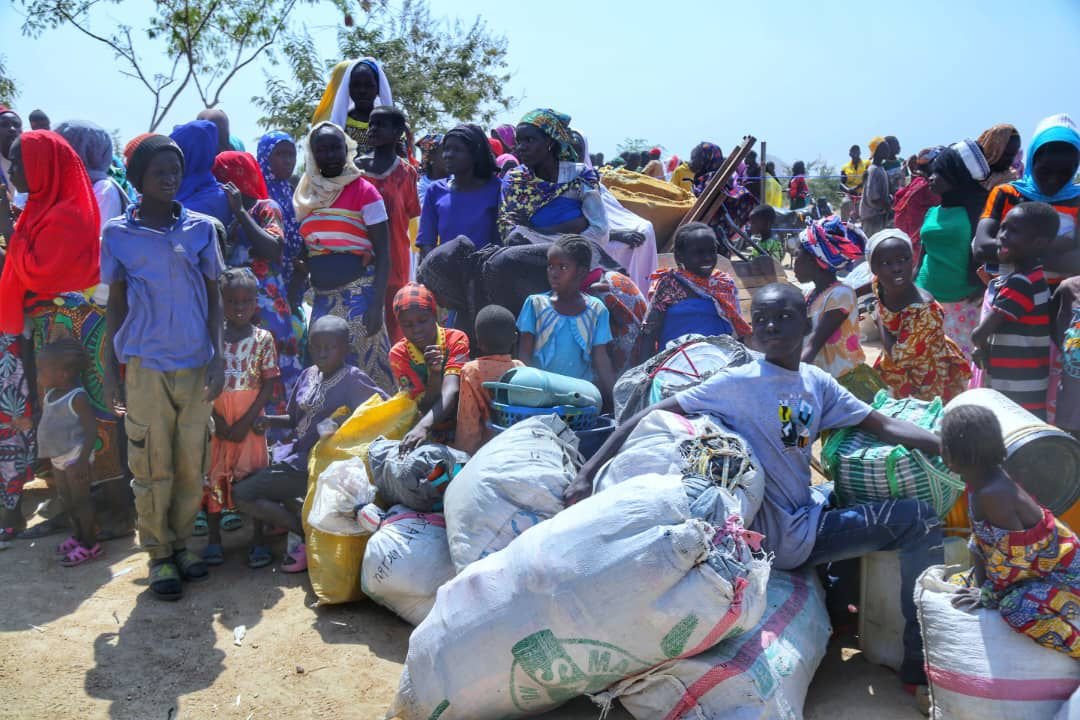
The government of Nigeria’s Borno State has begun a carefully coordinated process to return more than 3,000 displaced citizens from Cameroon, marking a major step in rebuilding communities torn apart by over a decade of conflict in the country’s northeast.
The first group of returnees, made up of several hundred men, women and children, arrived this week in Pulka, a town within Gwoza Local Government Area, where they were welcomed by local officials, security personnel and humanitarian workers. For many families, it was an emotional homecoming after spending nearly 11 years in refugee camps across the border.
Most of those returning were forced to flee their villages during violent attacks linked to the insurgency by Boko Haram, which displaced millions and left entire communities destroyed. Life in exile, particularly in camps such as Minawao in northern Cameroon, was marked by hardship, limited economic opportunities and dependence on aid.
State officials said the repatriation exercise is entirely voluntary and follows international humanitarian standards to ensure safety and dignity. Each family has been provided with basic supplies, including food items, clothing and bedding materials, as well as financial support to help them restart their lives.
“This is about restoring hope and helping our people rebuild with pride,” a senior official involved in the programme said. “We want every returnee to feel safe, supported and welcomed back home.”
Also Read; Rwanda Challenges Britain Over Abandoned Asylum Agreement
Authorities have also pledged continued assistance in areas such as healthcare, education and livelihoods, recognising that reintegration is a long-term process rather than a single event. Security forces remain deployed across key communities to maintain stability as more families return in phases.
Pulka and surrounding areas in Gwoza Local Government Area were among the hardest hit during the peak of the conflict, with schools, homes and farmland destroyed. In recent years, gradual improvements in security have allowed reconstruction projects and humanitarian efforts to take root, paving the way for displaced residents to come back.
Humanitarian groups working alongside state authorities described the return as a powerful symbol of recovery in a region once synonymous with violence and displacement. They stressed, however, that sustained investment will be crucial to prevent renewed hardship.
Globally, refugee returns like this align with broader efforts promoted by organisations such as the United Nations High Commissioner for Refugees, which supports safe, voluntary and dignified repatriation as one of the durable solutions to displacement.
For families stepping off buses and trucks into their ancestral communities, the journey represents far more than a physical move — it is the reclaiming of identity, land and the possibility of a normal life once again.