MWE Correspondent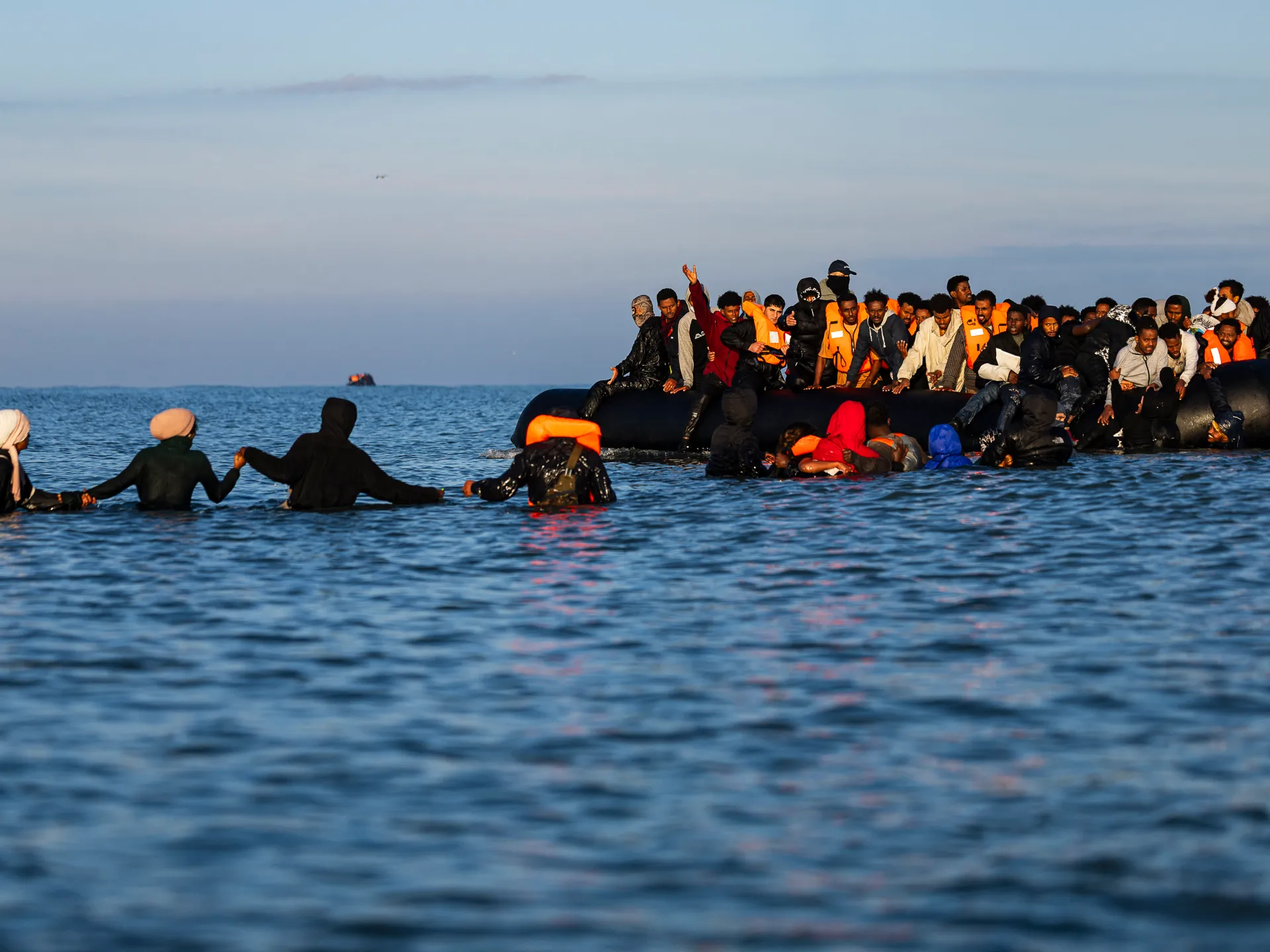
Rwanda has taken a major legal step against the United Kingdom, launching international arbitration over the cancellation of a high-profile asylum deal that once aimed to relocate migrants from Britain to the East African country.
In a statement released this week, the Rwandan government confirmed it had filed a case with the Hague-based Permanent Court of Arbitration, arguing that Britain failed to honor financial commitments linked to the migration partnership. The move signals a sharp escalation in a dispute that has been quietly building since the policy was scrapped in 2024.
The controversial agreement had been designed to deter illegal migration into Britain by transferring asylum seekers to Rwanda, where their claims would be processed. However, the plan faced fierce legal challenges and political opposition, and only four migrants were ever relocated voluntarily before it was effectively frozen.
More background on the arrangement is available under the UK–Rwanda asylum partnership, which outlines how the scheme was intended to function and why it became one of the most debated migration policies in recent British history.
Rwanda now argues that while the British government changed its political position, the treaty behind the deal remained legally binding. Officials in Kigali say London requested that two scheduled payments — each worth £50 million — be delayed while discussions were held about formally ending the agreement. Those talks, Rwanda claims, never happened.
As a result, Rwanda insists the funds remain owed under the original terms of the treaty.
Britain’s new leadership, however, has taken a firm stance, describing the policy as an expensive failure that delivered no real results and vowing that no further taxpayer money would be spent on the project.
The legal dispute is unfolding against a backdrop of strained diplomatic relations. Britain last year paused portions of its development assistance to Rwanda amid concerns about regional security in the Democratic Republic of the Congo, where renewed fighting has displaced hundreds of thousands of people.
Also Read; President Samia Declares Climate Change a Present Global Crisis
International observers have accused Rwanda of backing the M23 rebel group operating in eastern Congo — allegations Kigali strongly denies. The rebel movement, known as the M23 rebellion, has played a major role in destabilizing the region in recent years.
Rwanda maintains that it has no involvement in supporting armed groups and instead blames neighboring forces for fueling the violence.
Legal experts say the arbitration process could be lengthy and complex, potentially lasting several years. It will examine whether Britain’s decision to scrap the deal amounted to a breach of international treaty obligations or whether political changes justified ending the agreement without further payments.
Beyond the courtroom, the case raises broader questions about how countries structure international migration deals and what happens when new governments reverse major policies.
Behind the diplomatic language and legal filings lies a story of broken expectations and shifting political priorities. For Rwanda, the dispute is about trust, financial security, and being treated as an equal partner on the global stage. For Britain, it reflects a dramatic policy reversal driven by public pressure, court rulings, and concerns over cost.
The abandoned asylum plan was once presented as a bold solution to illegal migration. Instead, it has now become a source of international legal conflict.