Joseph Isangura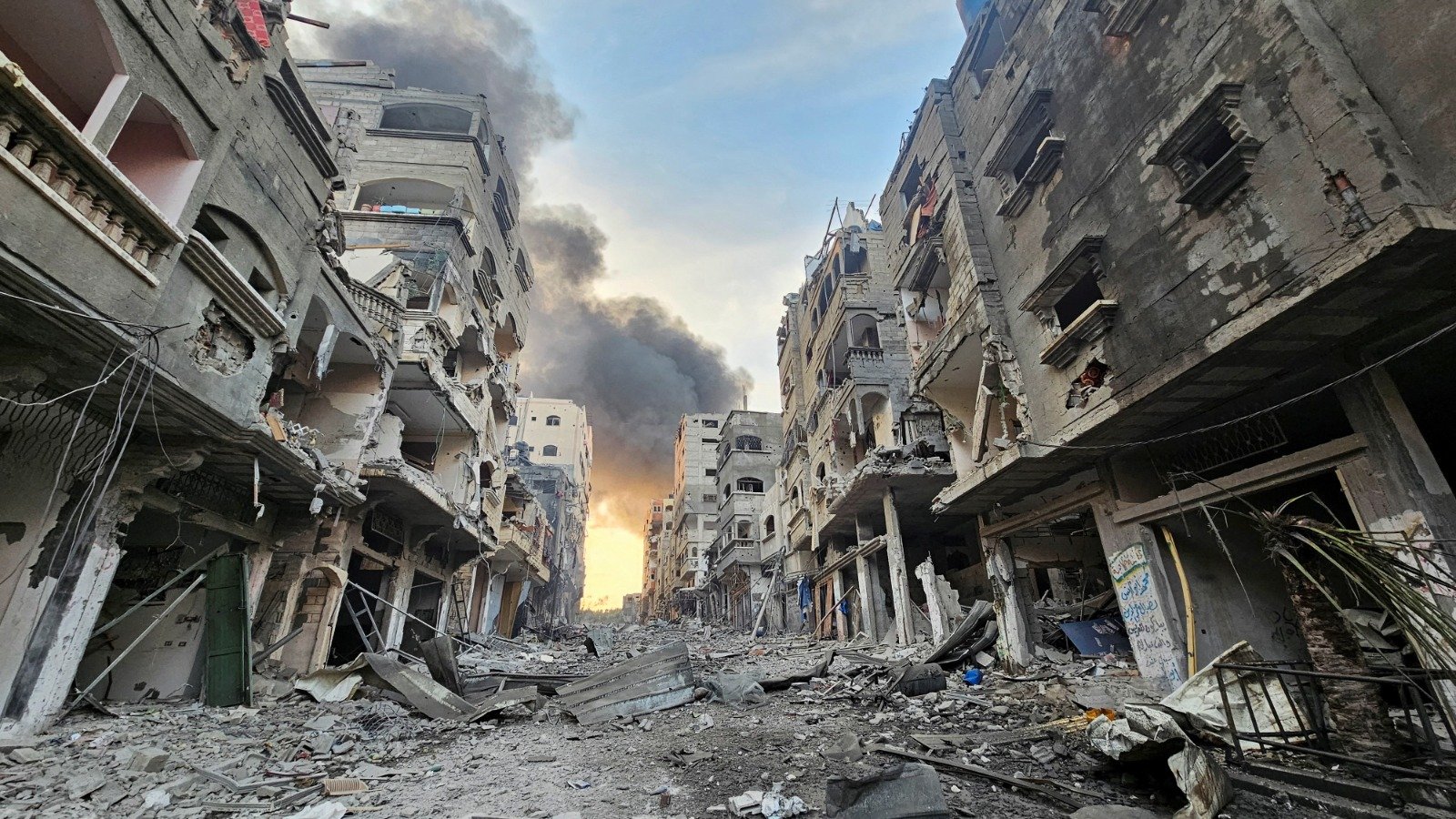
The suffering in Gaza is reaching even more devastating levels as health officials report that nearly 71,662 people have been killed since fighting erupted in October 2023, with more than 171,000 others injured.
Hospitals across the territory remain overwhelmed, operating with limited supplies while facing a steady flow of wounded civilians.
Medical authorities say that in just the past two days, hospitals received two additional bodies and nine new injured patients, underscoring how violence continues to claim lives daily. Yet beyond airstrikes and shelling, another silent danger is now taking a growing toll — the harsh winter cold.
Doctors confirmed that a 12-day-old infant recently died from exposure, bringing the number of babies who have lost their lives due to freezing conditions this season to 11. Many families, displaced multiple times by the fighting, are living in tents, damaged buildings, or overcrowded shelters without proper heating or warm clothing.
The situation across the Gaza Strip has become one of the world’s most severe humanitarian emergencies. Entire neighborhoods lie in ruins, water systems have collapsed, and electricity is scarce. Aid groups warn that hunger, disease, and cold could soon kill as many people as the bombs.
This war, part of the wider Israel–Hamas conflict, has uprooted the vast majority of Gaza’s population. Parents describe fleeing with their children in the middle of the night as fighting moved closer, often leaving behind everything they owned. Many have been forced to relocate several times, each move taking them farther from safety and stability.
Inside hospitals, conditions are dire. Doctors perform surgeries by flashlight during power cuts, while patients lie on floors due to lack of beds. Shortages of antibiotics, painkillers, fuel, and clean water have pushed the healthcare system close to collapse.
Winter storms have flooded makeshift camps, soaking blankets and mattresses. Families struggle to keep children warm using plastic sheets, cardboard, and whatever scraps they can find. For newborns, the danger is especially severe. Exposure to cold can quickly lead to hypothermia, a life-threatening condition that fragile infants are particularly unable to withstand.
Also Read; President Samia Declares Climate Change a Present Global Crisis
International humanitarian organizations continue to call for greater access to Gaza so that food, medical supplies, fuel, and winter aid can reach those in need. However, border restrictions and ongoing fighting have slowed deliveries, leaving millions dependent on limited and irregular assistance.
Residents say the emotional toll is as crushing as the physical hardship. Many families mourn loved ones while worrying about where their next meal will come from or how they will survive another freezing night. Children show signs of trauma, struggling with fear, hunger, and exhaustion.
Health workers warn that unless conditions improve quickly, the death toll is likely to rise not only from continued violence but also from disease, malnutrition, and cold exposure. What began as a military conflict has evolved into a full-scale humanitarian disaster.
As winter tightens its grip and fighting shows no sign of stopping, Gaza’s civilians remain trapped in a relentless cycle of loss, displacement, and survival — a crisis that continues to shock the world and deepen by the day.
If you’d like, I can format this for newspaper print layout, SEO publishing, or breaking-news updates next.