MWE Correspondent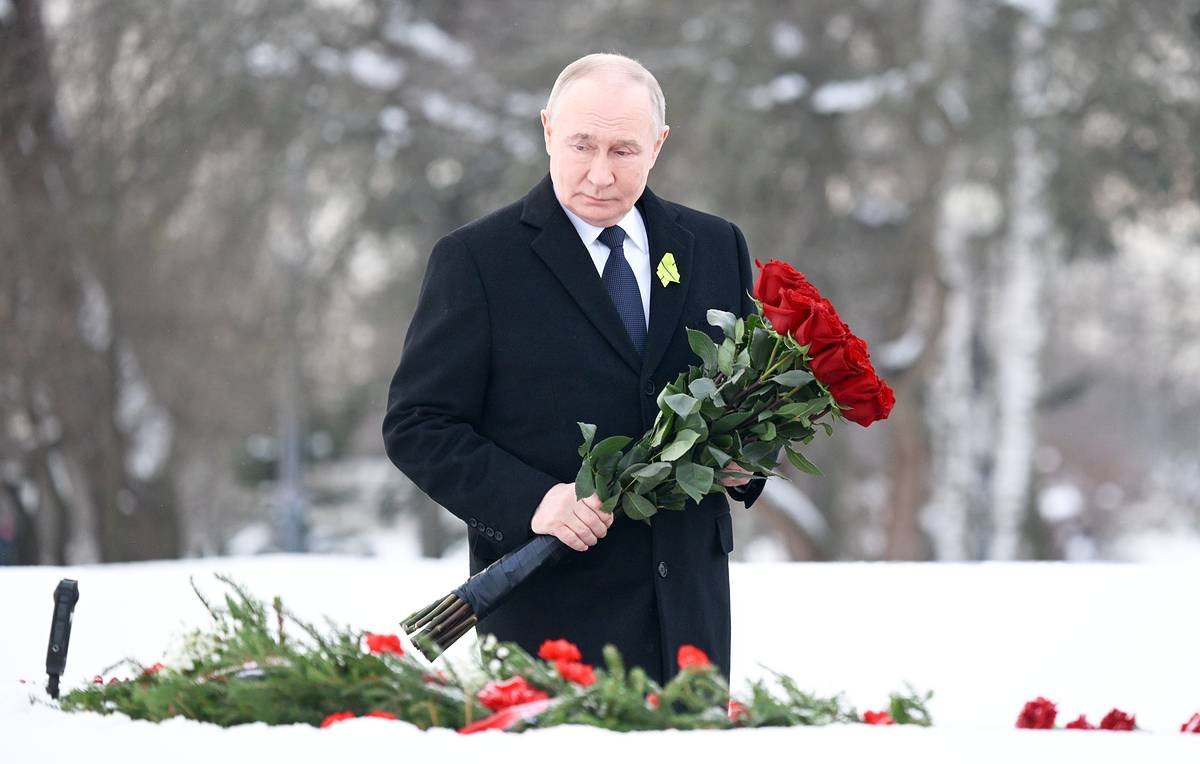
Russian President Vladimir Putin on Tuesday made a deeply personal visit to one of Russia’s most sacred war memorials, laying flowers at the grave of his brother who died during the devastating Nazi siege of Leningrad in World War II.
The quiet ceremony took place at the Piskaryovskoye Memorial Cemetery in St. Petersburg, a vast burial ground where hundreds of thousands of civilians and soldiers who perished during the blockade are laid to rest. Among them is Viktor Putin, the president’s older brother, who died as a small child in 1942 after suffering the extreme hunger and illness that swept through the trapped city.
The visit marked another anniversary of the lifting of the historic blockade — one of the darkest and most tragic chapters of the war. The Siege of Leningrad lasted nearly 900 days, cutting the city off from food supplies and basic necessities as German forces attempted to starve it into surrender. More than a million people are believed to have died, most of them civilians.
Carrying a bouquet of red roses, Putin paused silently at the mass graves before walking toward the central monument, where eternal flames burn in memory of the fallen. Officials, veterans, and local residents also gathered nearby, many holding flowers and photographs of relatives who never survived the blockade.
The cemetery itself, known officially as the Piskaryovskoye Memorial Cemetery, stands as one of the largest wartime burial sites in the world. Long rows of grassy mounds stretch across the grounds, each representing thousands of unnamed victims buried together during the harshest winter months of the siege.
Also Read; President Samia Declares Climate Change a Present Global Crisis
For Putin, the moment was not only a national remembrance but a family loss that still resonates decades later. His mother survived the blockade, while his father fought on the front lines. Viktor’s death remains a powerful reminder of how deeply the war touched ordinary Russian families.
Historians often describe the suffering of Leningrad as one of the most extreme civilian tragedies of the conflict on the Eastern Front of World War II, where millions across the Soviet Union endured occupation, starvation, and brutal combat.
In modern Russia, the siege has become a symbol of resilience and sacrifice. Each year, survivors — now very elderly — share memories of surviving on bread rations no larger than a matchbox, burning furniture for warmth, and carrying loved ones to mass graves through frozen streets.
Tuesday’s tribute reflected that collective memory. There were no speeches, no political messaging — just silence, flowers, and bowed heads.
Observers noted that the president’s personal connection to the tragedy has long shaped how the siege is remembered in public life, reinforcing its place as a defining moment in Russian history.t.