MWE Correspondent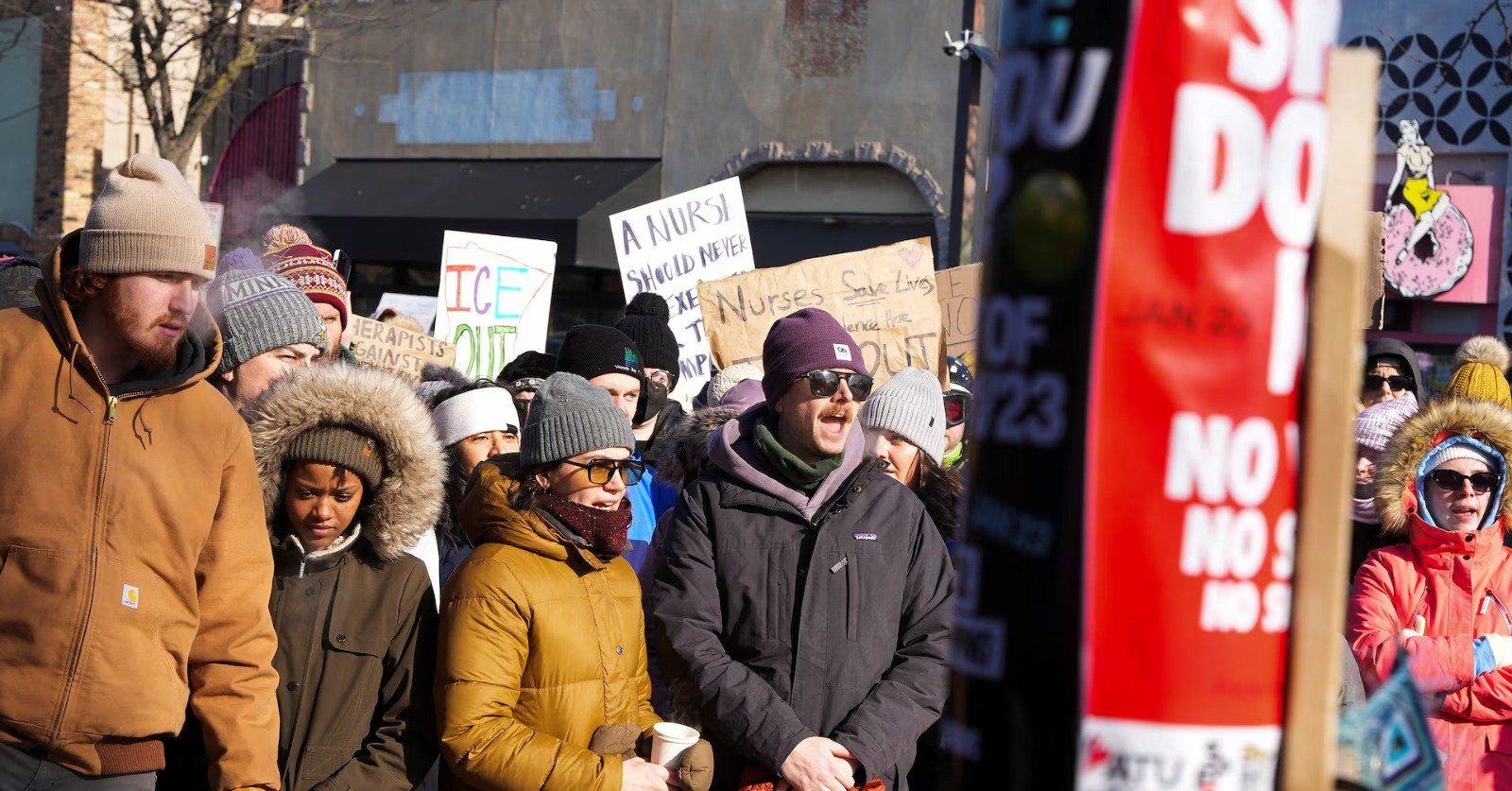
Tensions in the United States continued to ease slightly after Minneapolis Mayor Jacob Frey announced that some federal immigration officers will begin leaving the city on Tuesday, following days of public anger linked to the killing of two American citizens.
The mayor said the move came after discussions with President Donald Trump, stressing that the situation in Minneapolis had reached a point where it could no longer continue in its current form.
Minneapolis, one of the largest cities in the state of Minnesota, has recently become a center of protests as residents and activists expressed frustration over aggressive immigration operations and growing distrust between communities and federal authorities.
Crowds gathered in several parts of the city, calling for accountability and demanding changes in how enforcement actions are carried out. Many said the recent deaths had intensified long-standing concerns about the impact of heavy security operations on ordinary citizens.
City officials explained that scaling back the presence of immigration officers is intended to reduce tension, restore calm and create space for dialogue between law enforcement and the public. Mayor Frey emphasized that protecting residents must go hand in hand with maintaining trust and respect for civil rights.
“We cannot move forward while communities are living in fear,” the mayor said. “Public safety must not come at the expense of human dignity.”
The incident has reignited national debate over the role of immigration enforcement agencies and the methods they use across the country. Civil rights organizations argue that aggressive crackdowns often harm families, fuel anger and undermine cooperation between communities and authorities.
Also Read; Tanzania Pushes Clean Energy Drive for Sustainable Future
Supporters of strict enforcement policies, however, say such measures are necessary to maintain law and order and protect national security. The clash of views has played out across social media and in the streets, with demonstrations spreading beyond Minneapolis to other major cities.
Local community leaders have cautiously welcomed the mayor’s announcement, calling it a positive first step while urging broader reforms at both city and federal levels. Many believe lasting peace will only come through transparency, improved oversight and meaningful engagement with affected communities.
As investigations into the deaths continue, pressure is mounting on national leaders to review enforcement practices and improve coordination with local governments.
For many residents, the partial withdrawal of officers offers a moment of relief after days of unrest — but also a reminder that deeper issues remain unresolved.
The developments in Minneapolis now reflect a wider national conversation about security, civil liberties and the balance between law enforcement and community trust.
Whether the changes will lead to lasting reform remains to be seen, but for now, the city stands as a powerful symbol of a public demanding both safety and justice.