MWE Correspondent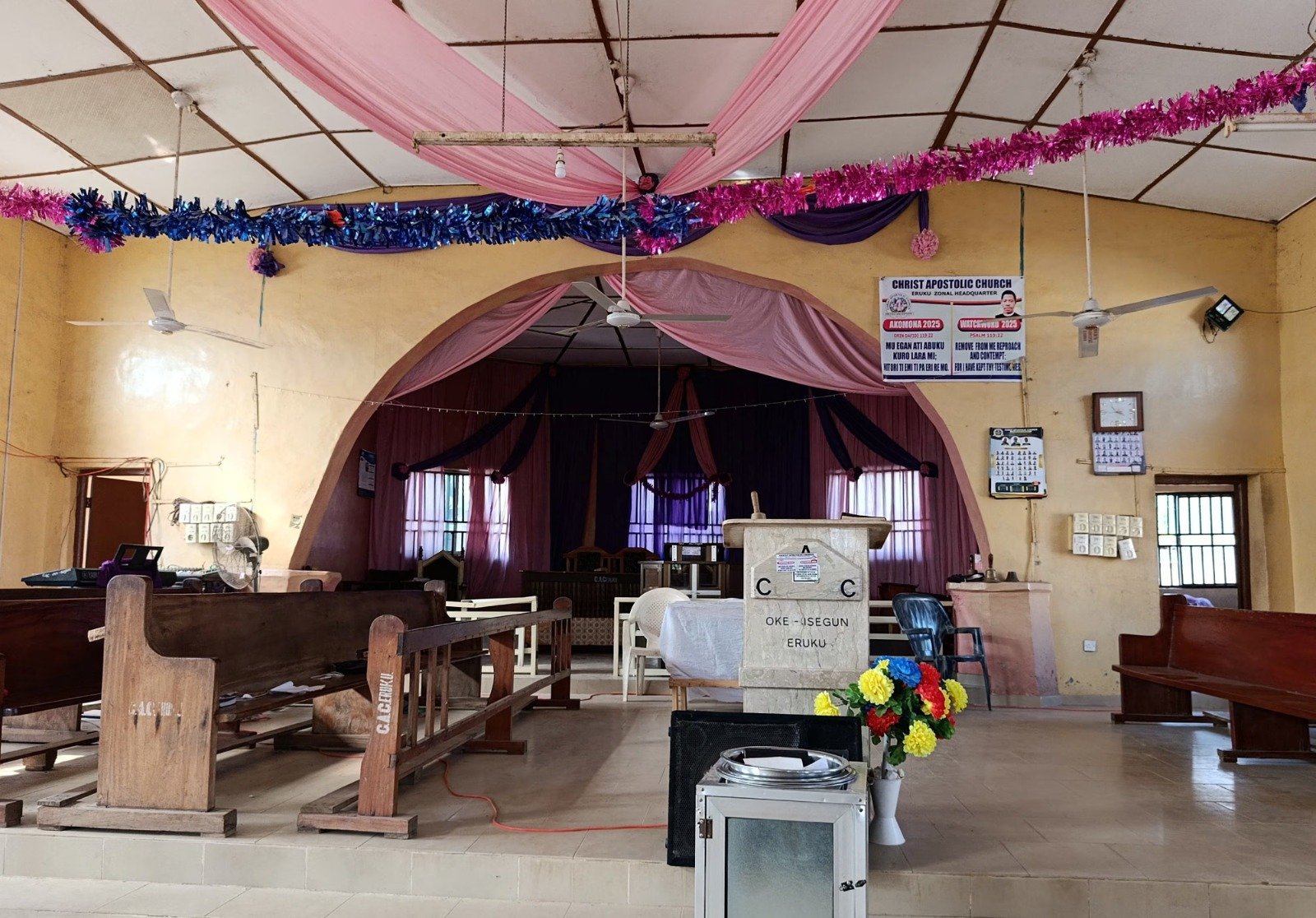
At least 163 worshippers have been abducted after heavily armed gangs raided two churches in Kaduna State, northern Nigeria, in one of the latest mass kidnappings to shake the country’s already fragile security landscape.
The attacks, which took place over the past weekend, have sparked fresh outrage and fear among both Christian and Muslim communities, who have increasingly found themselves targeted by criminal groups.
Local sources said the assailants stormed the churches during worship sessions, firing shots into the air and forcing congregants to flee before rounding up dozens of people, including women and young people. Witnesses described scenes of panic as worshippers attempted to escape, only to be overpowered by the attackers, who later disappeared into nearby forested areas believed to serve as hideouts for armed gangs.
Security officials in Kaduna confirmed the incidents and said search and rescue operations were underway, involving the military, police and local vigilante groups. Authorities have not yet released a full list of those abducted, but community leaders estimate the number of victims to be around 163, making it one of the largest church-related abductions reported in recent months.
Kaduna State lies at the heart of Nigeria’s so-called Middle Belt, a region long plagued by violent crime, communal tensions and insurgent activity. Over the past decade, armed groups commonly referred to as bandits have carried out frequent attacks on villages, highways, schools and places of worship. While ransom kidnappings are often financially motivated, analysts say religious sites have become particularly vulnerable due to limited security presence and predictable gathering times.
The latest abductions have reignited debate over the broader kidnapping in Nigeria crisis, which has seen thousands of civilians abducted across the country. Despite repeated assurances from authorities, communities continue to accuse the government of failing to protect vulnerable populations, especially in rural and semi-urban areas.
Religious leaders from both Christian and Muslim groups have condemned the attacks, calling them an assault on humanity rather than faith. In a joint statement, clerics urged residents to remain calm while pressing the government to take decisive action against armed groups terrorising civilians. They also appealed for the immediate and unconditional release of all abducted worshippers.
Human rights organisations say the psychological impact of such attacks is devastating. Survivors often suffer long-term trauma, while families of the abducted are left in anguish, uncertain whether their loved ones will return safely. According to experts, the repeated targeting of worship centres threatens not only public safety but also social cohesion in a country already grappling with ethnic and religious divisions.
Also Read; Europe Pushes Back Against Tariff Threats Over Greenland
Nigeria’s security challenges extend beyond banditry. The country has for years battled extremist violence in the northeast, alongside widespread criminal activity elsewhere. Observers note that weak law enforcement, economic hardship and the proliferation of illegal weapons have contributed to the spread of violence across vast regions of Nigeria.
In Kaduna, residents say fear has become part of daily life. Some churches and mosques have reportedly reduced services or increased private security, while others are considering suspending large gatherings altogether. Community leaders warn that such measures, though understandable, undermine freedom of worship and normal social life.
The federal government has repeatedly pledged to restore security, rolling out military operations and promising reforms within the security sector. However, critics argue that these efforts have yet to produce lasting results. Analysts stress that addressing the crisis will require not only military action but also intelligence-led policing, economic investment and dialogue with affected communities.
As negotiations and rescue efforts continue, families of the abducted worshippers are holding onto hope. Many have gathered in churches and homes to pray for the safe return of their loved ones, while calling on national and international partners to support efforts aimed at ending the cycle of violence. The latest abductions serve as another stark reminder of the deepening security crisis confronting Africa’s most populous nation and the urgent need for sustainable solutions.