MWE Correspondent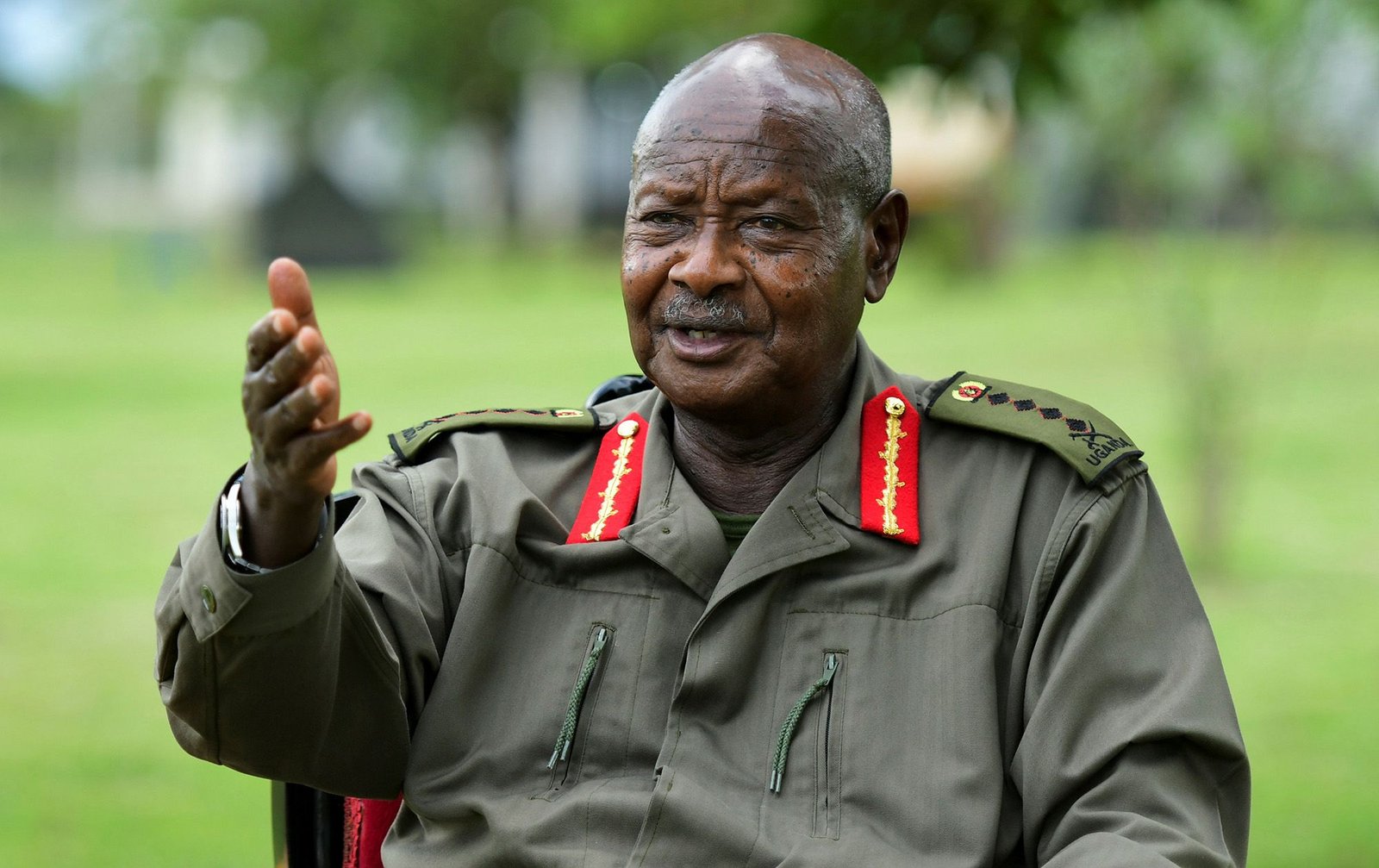
Uganda’s long-serving president, Yoweri Museveni, has been declared the winner of the 2026 presidential election after securing 71.65 per cent of the total votes cast, according to official results released by the country’s electoral authorities.
His closest challenger, opposition leader Robert Kyagulanyi, widely known as Bobi Wine, finished second with 24.72 per cent.
The announcement has effectively extended Mr Museveni’s grip on power, marking yet another term in office and reinforcing his status as one of Africa’s longest-serving leaders. The results were announced amid heightened security across major urban centres, including Kampala, where streets remained unusually quiet in the days following the vote.
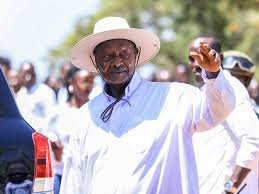
Electoral officials said the polls were conducted in accordance with the law, describing the outcome as a clear expression of the will of the people. They cited nationwide voter participation and the completion of tallying from all districts as the basis for declaring a final result.
However, the announcement has been met with sharp criticism from the opposition. Mr Kyagulanyi has rejected the outcome, alleging widespread irregularities, voter intimidation, and manipulation of results. He and his supporters argue that the electoral process lacked transparency, particularly due to restrictions imposed during the voting period.
One of the most contentious issues surrounding the election was the nationwide internet shutdown that was enforced during polling and vote tallying. Authorities defended the move as necessary to maintain national security and prevent the spread of misinformation. Critics, however, say the shutdown severely limited access to information, disrupted independent reporting, and weakened public confidence in the credibility of the process.
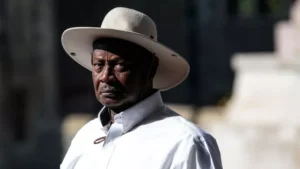
Observers note that digital platforms have become central to modern elections, enabling real-time reporting, civic engagement, and election monitoring. The restriction of online communication during such a critical period has therefore raised broader concerns about democratic space and civil liberties in the country.
Also Read; Africa Faces Growing Debate Over Election Internet Shutdowns
In Kampala and several other towns, many businesses remained closed in the immediate aftermath of the announcement, reflecting a tense but largely calm atmosphere. Security forces were visibly deployed at key intersections, government buildings, and along major roads, although no large-scale unrest was reported.
Supporters of the president welcomed the declaration, crediting his leadership with maintaining stability and economic continuity. They argue that the result reflects strong rural support and confidence in the ruling party’s long-standing governance record.
Political analysts say the election outcome highlights deep divisions within Ugandan society, particularly between younger, urban voters who overwhelmingly backed the opposition and older or rural populations who continue to support the incumbent. These divisions, analysts warn, are likely to shape the country’s political discourse in the coming years.
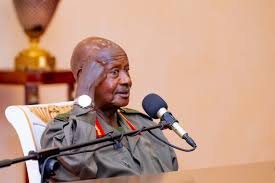
International attention has remained focused on Uganda’s post-election environment, with calls for restraint from all sides. Governance experts stress that peaceful engagement, respect for the rule of law, and transparent handling of disputes will be critical to maintaining stability.
As Uganda moves forward, questions remain about political reforms, civic freedoms, and the future of democratic participation. The 2026 election has once again placed the country at the centre of discussions on politics of Uganda and the balance between security, governance, and democratic rights.
While the official results have been declared, the political landscape remains tense, with opposition leaders signalling possible legal challenges and continued mobilisation of supporters. How the government responds to these developments is likely to define Uganda’s political direction in the months ahead.