Joseph Isangura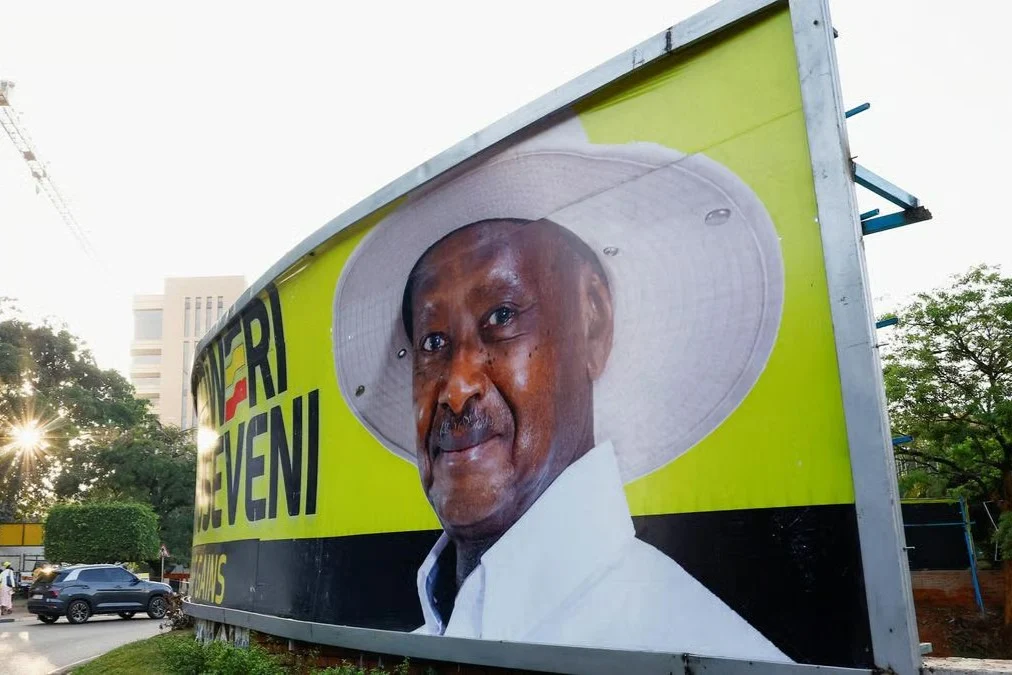
Uganda’s political atmosphere has grown more tense after the government ordered the suspension of several non-governmental organizations just days before the country’s general election.
The decision, announced on Tuesday, January 13, 2026, has sparked debate at home and drawn the attention of international observers as voters prepare to choose a president and members of parliament.
According to the National Bureau responsible for overseeing non-governmental organizations, the affected groups were instructed to stop operating with immediate effect to allow authorities to carry out investigations into their activities. Officials said intelligence reports had raised concerns that some organizations may have acted outside the boundaries of national law or their registered mandates. While the suspensions were described as temporary, no clear timeline was given, leaving uncertainty over when—or if—the organizations will be allowed to resume their work.
The timing of the decision has been particularly sensitive. Uganda’s elections are often closely contested, and civil society groups have historically played an important role in election observation, voter education, and the documentation of rights-related concerns. Their sudden suspension on the eve of voting has raised questions about transparency and the broader state of civic space within Uganda’s political system.
Government officials have defended the move, stressing that it should not be seen as an attack on civil society. They argue that all organizations operating in the country must comply with existing laws and regulations, especially during politically sensitive periods. Authorities insist that the investigations are meant to protect public order and national security during the electoral process, which they describe as a priority.
Also Read; Africa Bears Climate Burden Despite Minimal Global Emissions
Critics, however, view the action as part of a familiar pattern seen during previous elections in Uganda. In past election cycles, the country has experienced measures such as restrictions on public gatherings, arrests of opposition supporters, and limitations on access to digital communication. Rights advocates argue that these steps often disproportionately affect groups involved in governance, media freedom, and human rights monitoring.
Uganda’s civil society sector has long operated in a challenging environment, particularly as the country’s politics have become more centralized over the past two decades. Constitutional amendments removing presidential term and age limits have intensified debate about leadership transition and accountability. Within this context, non-governmental organizations are widely seen as a key platform for independent voices, especially in the areas of electoral accountability and human rights advocacy.
As the election gets underway, uncertainty remains over how the suspension of these organizations will affect monitoring of the vote and the post-election period. Observers note that the absence of independent oversight could deepen mistrust between political actors and the public, particularly if the results are disputed.
With vote counting and results expected in the coming days, attention is now focused on whether authorities will clarify the scope of the investigations and allow the affected organizations to resume operations. For many Ugandans, the episode highlights the delicate balance between maintaining security and protecting democratic freedoms. The way the government handles both the investigations and the broader electoral process is likely to shape perceptions of Uganda’s commitment to democratic governance long after the polls close.