MWE Correspondent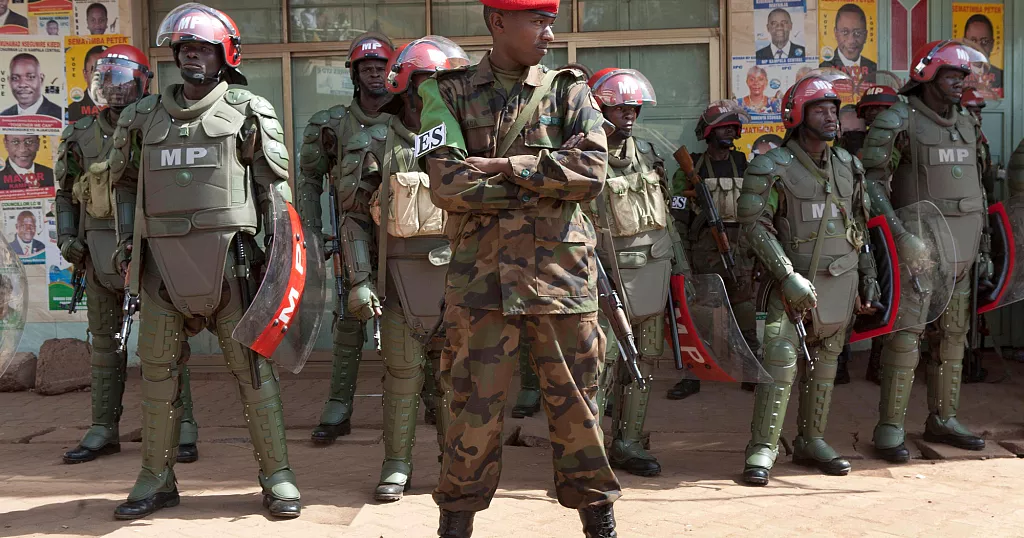
Uganda’s opposition parties have voiced deep concern over the role of the military in the country’s electoral process, following the government’s decision to deploy thousands of soldiers ahead of Thursday’s general election.
The announcement has intensified political tensions, with opposition leaders warning that a heavy military presence could intimidate voters and weaken confidence in the vote.
The concerns were raised on Tuesday after authorities confirmed that soldiers would be deployed nationwide to support police in providing security during polling. While the government says the move is intended to prevent violence and ensure a peaceful election, opposition figures argue that involving the army in civilian political affairs sends the wrong signal at a critical democratic moment.
Opposition leader Robert Kyagulanyi, widely known as Bobi Wine, said the deployment risks creating fear rather than reassurance among voters. He and other opposition politicians claim that in past elections, the presence of soldiers near polling stations has discouraged participation and contributed to allegations of intimidation, particularly in areas seen as opposition strongholds.
Uganda’s political history is marked by disputed elections and long-standing accusations of heavy-handed security tactics. Critics say the visible involvement of the military blurs the line between civilian policing and armed force, raising questions about whether voters can freely express their will. Civil society groups have echoed these concerns, calling for restraint and transparency in how security arrangements are carried out.
Also Read; President Samia Calls for Justice, Integrity in Courts
The government has defended its decision, insisting that the military’s role is purely supportive and aimed at maintaining order. Officials say the deployment is necessary to protect voters, election materials, and staff, especially during a period of heightened political activity. They argue that Uganda has previously experienced election-related unrest, making robust security planning essential.
President Yoweri Museveni, who has been in power for decades, is seeking another term in office. Analysts note that his long rule has been closely linked to the loyalty of the security forces, a reality that continues to shape political debate in the country. As election day approaches, this dynamic remains a central point of contention between the government and the opposition.
Human rights advocates warn that international best practice favors minimal military involvement in elections, with civilian authorities taking the lead in security matters. They caution that the presence of armed soldiers at or near polling stations can undermine the perception of a free and fair vote, even if no direct interference occurs.
Uganda’s military, the Uganda People’s Defence Force, has repeatedly rejected claims of political bias, maintaining that it is a professional institution committed to upholding the constitution and protecting all citizens equally. However, skepticism remains high among opposition supporters, many of whom fear that the deployment could be used selectively against political rivals.