MWE Correspondent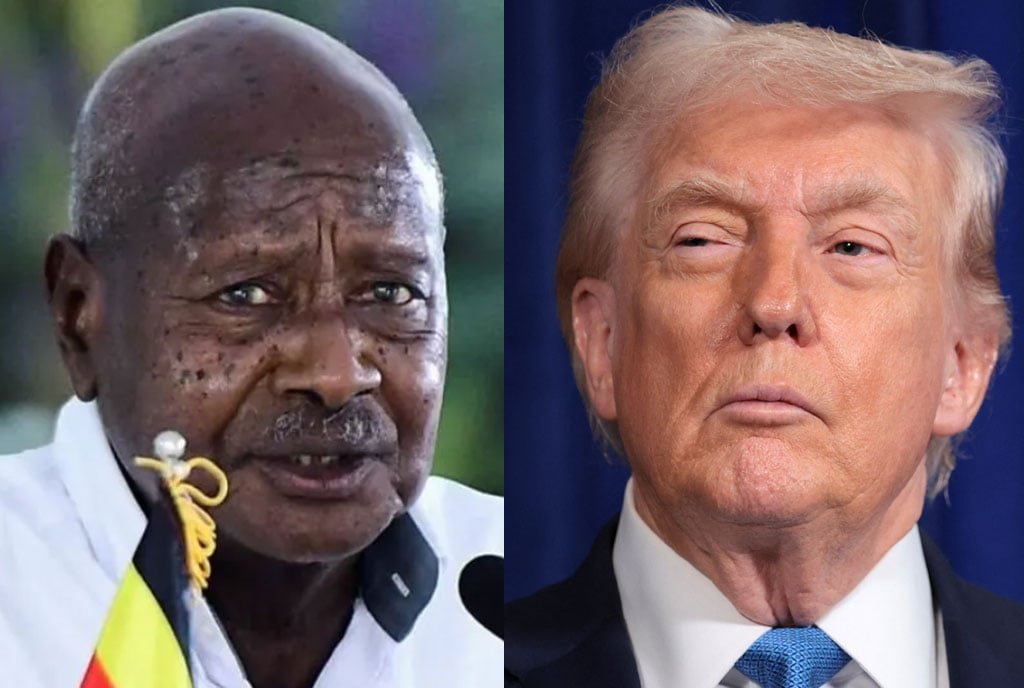
Ugandan President Yoweri Museveni has publicly praised United States President Donald Trump for his recent mass deportation programme, which has seen thousands of undocumented immigrants, including Ugandans, returned to their home countries.
Speaking at a campaign rally in Arua City on January 9, 2026, Museveni framed the deportations as an opportunity for Africans to remain in their countries and focus on creating jobs and developing local economies.
According to reports from Uganda’s press, Museveni described migrants as “wanderers,” suggesting that seeking opportunities abroad is unnecessary when African nations still have untapped potential. “I like Mr. Trump. He has said, ‘Don’t come here to America.’ I say thank you for sending back those wanderers. What are they going to do in America? I don’t want to go anywhere. Why are you going?” Museveni said, emphasizing that citizens should invest their energy in their home countries rather than moving abroad in search of opportunities.
The president’s comments reflect a broader concern in Africa about human migration and the so-called “brain drain,” where skilled workers leave their home countries for better economic prospects abroad. Analysts argue that returning migrants could be a valuable resource if governments create policies that support job creation, entrepreneurship, and local investment.
Museveni’s remarks also come at a time when immigration policies in the United States have tightened significantly. The Trump administration’s deportation programme, aimed at undocumented migrants, has drawn both criticism and praise internationally. While some human rights organizations have raised concerns about the humanitarian impact, African leaders like Museveni see potential benefits if returnees are effectively reintegrated into local economies. For more context on U.S. immigration, see Immigration policy of the United States.
Also Read; Barrick Excels In Providing Job Opportunities For Local Employees
The Ugandan president urged citizens to focus on developing Africa’s economic potential rather than seeking opportunities abroad. He stressed that local industries, agriculture, and small businesses offer viable avenues for growth and employment. “Why move all over the place?” Museveni asked. “Focus on your own communities. Build your own future here.”
Observers note that the effectiveness of Museveni’s message will depend on concrete measures to create jobs and opportunities for returnees. While the rhetoric promotes self-reliance, African nations will need targeted programs and investments to harness the skills and experience of citizens who have returned from abroad.
Migration trends remain a major challenge and opportunity for Africa’s development. Countries like Uganda, with growing populations of young workers, face the dual task of curbing emigration while fostering domestic economic growth. For a broader look at U.S.–Africa relations, which intersect with migration and trade policies, analysts suggest that engagement between the continents could be leveraged to support economic reintegration and development.
African governments grapple with the challenges of migration, economic development, and youth employment, the conversation about the role of deportation and returnees is likely to remain a key policy issue for years to come.