MWE Correspondent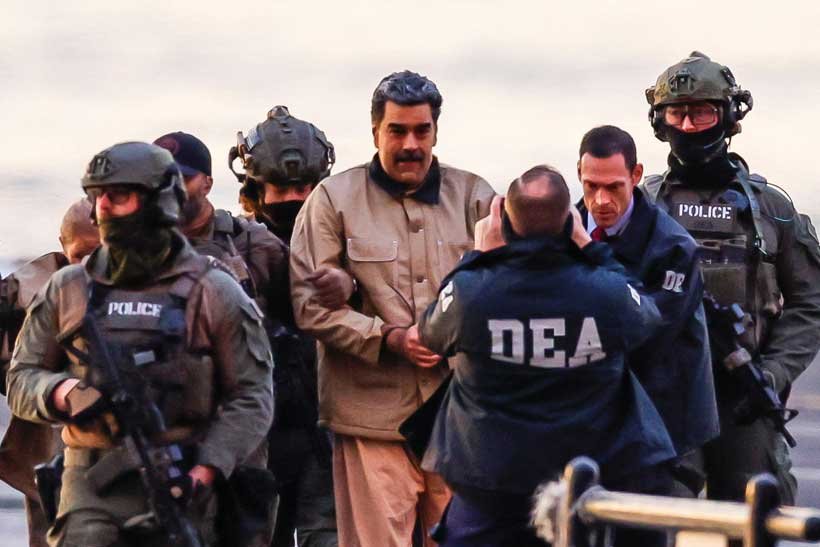
Deposed Venezuelan leader Nicolás Maduro appeared before a federal court in Manhattan on Monday and forcefully rejected the serious criminal charges brought against him by the United States government, insisting he is innocent of all allegations as global attention remains fixed on the unprecedented case.
Maduro — who was removed from power in a dramatic U.S. operation in Caracas and flown to New York earlier this month — entered a not‑guilty plea during his first court appearance. He steadfastly denied accusations that he oversaw a vast narco‑terrorism network and engaged in weapons‑related offenses, describing the charges as politically motivated and asserting that the U.S. actions against him violate international law.
“I am innocent. I am not guilty. I am a decent man,” Maduro declared through an interpreter, according to court reports, asserting that he still considers himself the legitimate president of Venezuela despite his extraordinary removal.
The charges, filed in the United States District Court for the Southern District of New York, include narco‑terrorism conspiracy, cocaine importation conspiracy, and the illegal possession of machine guns and destructive devices. Prosecutors allege that Maduro and several co‑defendants — including his wife, Cilia Flores — worked with international criminal groups to traffic cocaine into the United States and protect those involved with diplomatic cover and other means.
Maduro’s defense team has signaled that it will challenge the court’s jurisdiction and press claims of sovereign immunity, arguing that a former head of state should not be tried in a foreign court under the present circumstances. However, U.S. authorities do not recognize Maduro as Venezuela’s current leader — given his removal and replacement by an interim government — and have rejected the immunity argument.
Also Read; Protests Escalate Across Iran Amid Economic Crisis
The unfolding case marks one of the most extraordinary prosecutions in recent history: a foreign leader arraigned on U.S. soil on criminal charges of narcotics trafficking and related offenses. The legal and diplomatic fallout has been swift and intense. The United Nations Security Council held emergency discussions about the legality of the U.S. operation, with some nations condemning it as a breach of international law and others maintaining that the United States acted within its legal rights to enforce longstanding indictments.
Back in Venezuela, Maduro’s arrest and detainment have prompted strong reactions from his supporters and from allied countries. Venezuela’s interim leadership in Caracas has denounced his seizure and demanded his return, while critics of the U.S. action argue it could set a troubling precedent for international relations and sovereign rights.
Maduro and Flores were transported under heavy security from the Metropolitan Detention Center in Brooklyn — where they are being held ahead of trial — to the Manhattan courthouse for the initial hearing. Both appeared in court wearing prison attire, and reports indicate that Flores sustained injuries during the operation that led to their capture.
Legal experts say the next major procedural step will be a hearing scheduled for March, where pre‑trial motions and questions about evidence and legal standing are expected to take center stage. A full trial could extend well into 2027, given the complexity of the case and the high‑profile nature of the defendants.