MWE Correspondent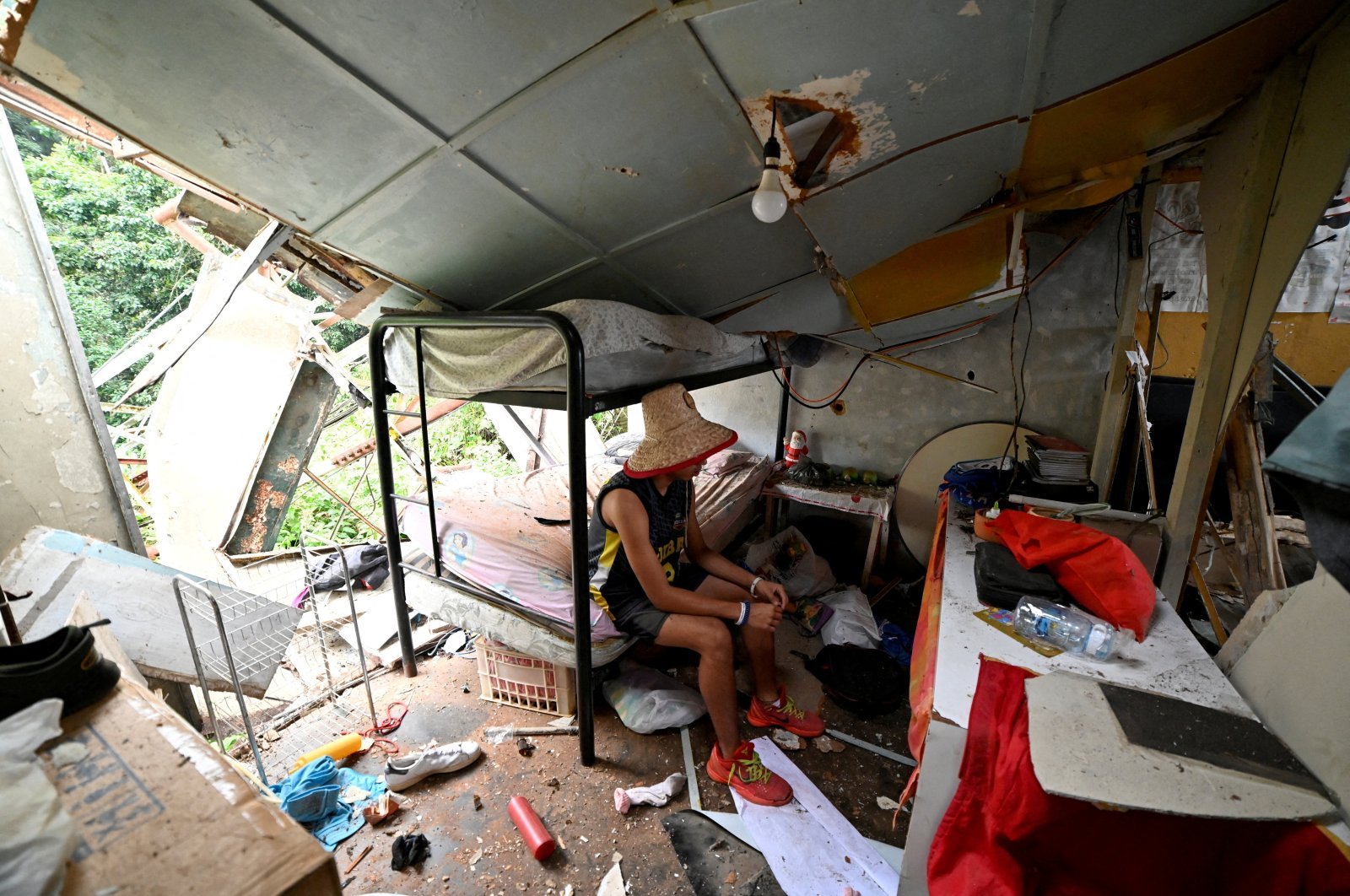
The number of people killed in the United States’ military operation in Venezuela has climbed to at least 80, according to Venezuelan officials and international reporting.
The casualties include both civilians and members of the Venezuelan security forces, marking one of the most dramatic military actions in the region in decades.
The strikes were part of a broader U.S. operation that also resulted in the capture of Venezuelan President Nicolás Maduro and his wife, Cilia Flores. The couple were flown to New York to face federal charges related to narcotics trafficking and alleged narco-terrorism, sparking intense controversy and international debate.
Among those killed were a number of foreign personnel, including 32 Cuban military and intelligence members, whom Havana confirmed were killed while in Venezuela at the request of Caracas. Cuban authorities declared official days of mourning, underscoring the deep alliance between the two countries.
Also Read; Venezuela Oil Wealth Reshapes Global Energy Politics
The strikes began in the early hours of the morning, with explosions reported across Caracas and other northern areas. Venezuelan officials described the assault as widespread, affecting both military installations and urban residential areas. Local residents reported that blasts tore through buildings, killing and injuring people inside their homes.
One of the first casualties publicly mourned was Rosa Elena González, who died from injuries sustained during the strikes. Her funeral on the outskirts of Caracas became a stark symbol of the human cost of the operation, as mourners grappled with grief and shock.
The U.S. government has defended the raids as part of a campaign against organized crime and trafficking, describing the mission as necessary to apprehend leaders accused of transnational offenses. Critics, however, argue that the use of military force in populated areas risks violating international law and norms of sovereignty.
Reactions from other nations have been sharply divided. Some governments condemned the U.S. strikes as illegal, while others called for restraint and emphasized diplomatic solutions. The controversy has inflamed regional tensions, with arguments over legality and political legitimacy dominating international forums.