MWE Correspondent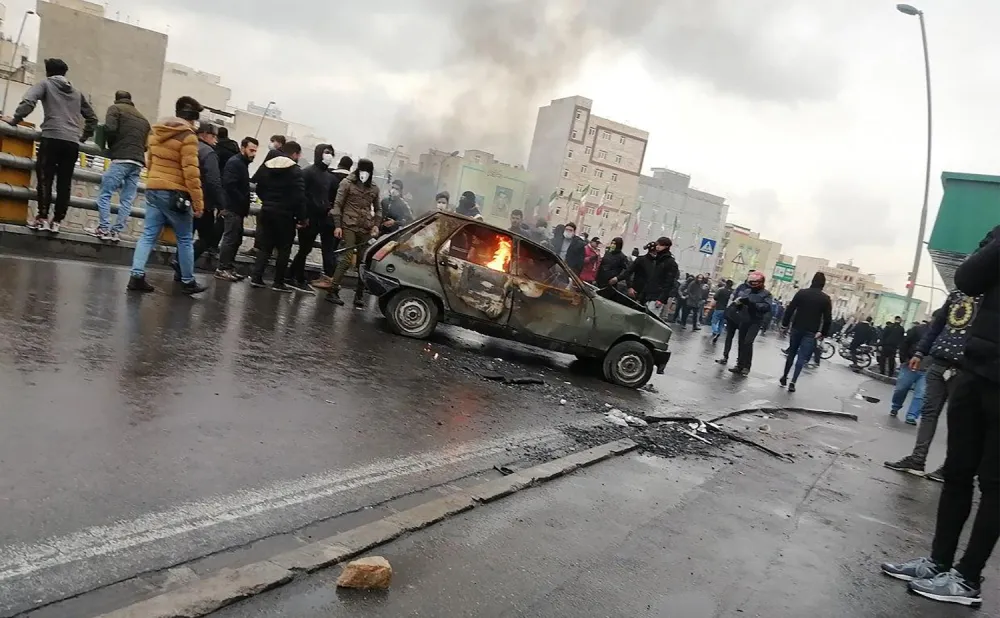
Clashes between demonstrators and security forces have broken out in several cities across Iran, leaving at least six people dead, according to local reports and regional observers.
The deaths mark the first confirmed fatalities since a fresh wave of nationwide demonstrations began, driven largely by anger over the sharp rise in the cost of living and worsening economic conditions.
The protests, which initially emerged as scattered gatherings over the soaring prices of basic commodities, have expanded rapidly into broader expressions of public frustration. Residents in multiple urban centers have taken to the streets to protest inflation, unemployment, and declining purchasing power, with many saying that daily life has become increasingly unaffordable. Chants and placards have reflected not only economic concerns but also deeper dissatisfaction with governance and accountability.
Also Read: Iran Issues Warning Amid Renewed Regional Tensions
Eyewitnesses described tense scenes as security forces moved to disperse crowds using tear gas and, in some cases, force. In several areas, protesters reportedly erected roadblocks and set fires, leading to confrontations that quickly escalated. Hospitals and local sources have confirmed that at least six people were killed during the unrest, while dozens more sustained injuries. Authorities have not yet released a detailed official account of the casualties, but the reported deaths have heightened fears of further escalation.
Iran has experienced repeated waves of protests over the past decade, many of them sparked by economic pressures. International sanctions, a weakening national currency, and persistent inflation have placed heavy strain on households, particularly those with fixed or low incomes. Economists note that the current surge in prices has eroded savings and wages, leaving many families struggling to afford essentials such as food, fuel, and housing.
While the latest demonstrations are centered on economic grievances, analysts say they also reflect broader social tensions. In previous instances, protests that began over prices or subsidies evolved into wider movements questioning political leadership and state policies. This pattern has raised concerns among observers that the current unrest could follow a similar trajectory if underlying issues remain unaddressed.
The authorities have stressed the importance of maintaining public order and warned against what they describe as illegal gatherings. At the same time, reports of temporary internet disruptions in certain areas have surfaced, echoing measures taken during past periods of unrest. Rights groups argue that restricting access to information can deepen mistrust and fuel anxiety among the population.
The situation is being closely watched by the international community, given Iran’s strategic role in the Middle East. Internal instability in the country often draws global attention, with foreign governments and organizations urging restraint and respect for human rights. The economic roots of the protests have also renewed discussion about the impact of inflation and sanctions on ordinary citizens.
As developments continue to unfold, the full extent of the unrest and its consequences may become clearer in the days ahead. For now, the reported loss of life underscores the depth of public anger and the urgent challenges facing a population grappling with rising costs and economic uncertainty.