Lyn Frans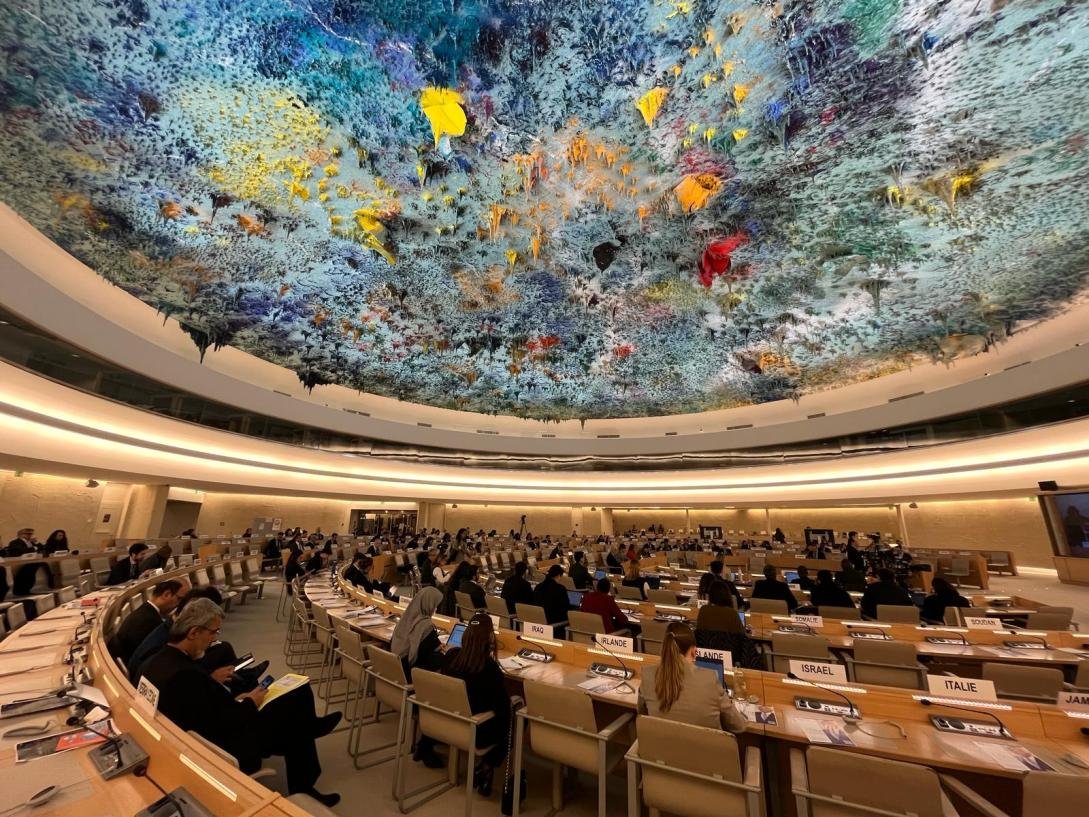
Western countries, often perceived as champions of human rights and democratic values, frequently find themselves under scrutiny for their varying responses to global human rights violations. This inconsistency raises fundamental questions about their motivations and principles. Are these behaviors indicative of double standards, bias, or just hypocrisy?
Western nations tend to prioritize human rights in countries where they have strategic interests, whether those be economic, geopolitical, or cultural. For instance, the United States and various European nations have been vocal about human rights abuses in Venezuela and Iran, largely due to concerns related to regional stability, national security, and the implications for energy resources. In contrast, similar or worse abuses in countries like Saudi Arabia and the United Arab Emirates—where significant economic ties and military contracts exist—are often downplayed or glossed over. This selective approach reflects a broader pattern where interventions seem driven not by a sincere commitment to human rights, but rather by a complex calculus of national interests.
Historical context complicates this dynamic further. Former colonial powers may exhibit leniency towards regimes that maintain favorable trade relations or geopolitical alliances despite committing egregious human rights violations. For example, the UK and France have historically supported autocratic regimes in the Middle East, often prioritizing stability and economic relationships over advocacy for democracy and human rights.
Also Read:Algeria’s Pivotal Conference: Call for Justice and Reparations
The reluctance to confront these nations , critics say ,often stems from fears of jeopardizing lucrative trade agreements and strategic partnerships. For instance, Western criticisms of human rights abuses in Hong Kong and the treatment of Uighurs in China have not led to substantial sanctions or interventions that could threaten economic ties.
The role of Western media is crucial in shaping public perceptions of human rights issues. Some crises receive extensive media coverage, drawing international outrage and prompting governmental responses, while others languish in obscurity. The Syrian Civil War, for example, ignited a flurry of media attention that led to various forms of intervention and support for opposition groups.
In contrast, ongoing atrocities in places like Myanmar, where the Rohingya crisis continues unabated, struggle to garner sustained attention from both media and governments. Similarly, the plight of the Uighurs in Xinjiang region, although receiving some coverage, has not resulted in significant direct action from Western governments, partly due to the economic implications of challenging China.
This selective approach creates an erosion of credibility for Western nations as advocates for human rights. When condemnation appears cherry-picked, it diminishes the moral authority these countries assert on the global stage. Nations witnessing this inconsistency may feel less compelled to adhere to international human rights norms. Autocratic regimes can exploit these biases by framing Western criticisms as neo-colonialist or hypocritical, effectively deterring genuine reform efforts and stifling dissent.

Julie Gichuru ,President – Africa Leadership and Dialogue Initiative ,minced no words in expressing these biases by western countries.
While Western countries often advocate for human rights in nations such as Afghanistan, Libya, and across the broader Middle East, they have also failed to act in key contexts. For example, despite the documented human rights abuses in Egypt under President Abdel Fattah el-Sisi, the U.S. provides substantial military aid, prioritizing geopolitical stability over human rights concerns. Similarly, in various African nations, like Ethiopia and Cameroon, the West has been slow to respond to significant human rights violations, often due to complex local dynamics or strategic considerations.
Also Read: Tz, Ready To Crack Down On Foreigners Who Stray from The Law
Moreover, the arms sales to countries with dubious human rights records, such as Saudi Arabia, which have been engaged in a devastating conflict in Yemen, highlight the contradictions in Western policies. While some Western countries openly advocate for human rights in Yemen, they simultaneously support the Saudi-led coalition with arms and military aid.
As nations in the Global South increasingly assert their influence, they challenge Western narratives against a backdrop of perceived hypocrisy. Countries such as Brazil and South Africa adopt positions that counterbalance Western narratives, advocating for a more equitable global human rights discourse. Institutions like the United Nations often struggle under the weight of these biases; political dynamics within the Security Council can stifle robust action in response to human rights violations based more on national interests than on humanitarian considerations.
Media Wire’s analysis of Western responses to human rights violations reveals a complex web of interests, biases, and systemic inconsistencies. While many Western nations project an image of ethical superiority, their actions frequently betray an opportunistic prioritization of interests over principles. This raises pressing questions about terminology: Should the behaviors of these Western countries be characterized as double standards, bias, or outright hypocrisy? The answer likely resides in a combination of these terms, reflecting a tangled interplay of moral dilemmas and geopolitical calculations. A more consistent and principled approach to human rights is essential for fostering genuine global progress and for maintaining the credibility of democratic values.