
 MWE Correspondent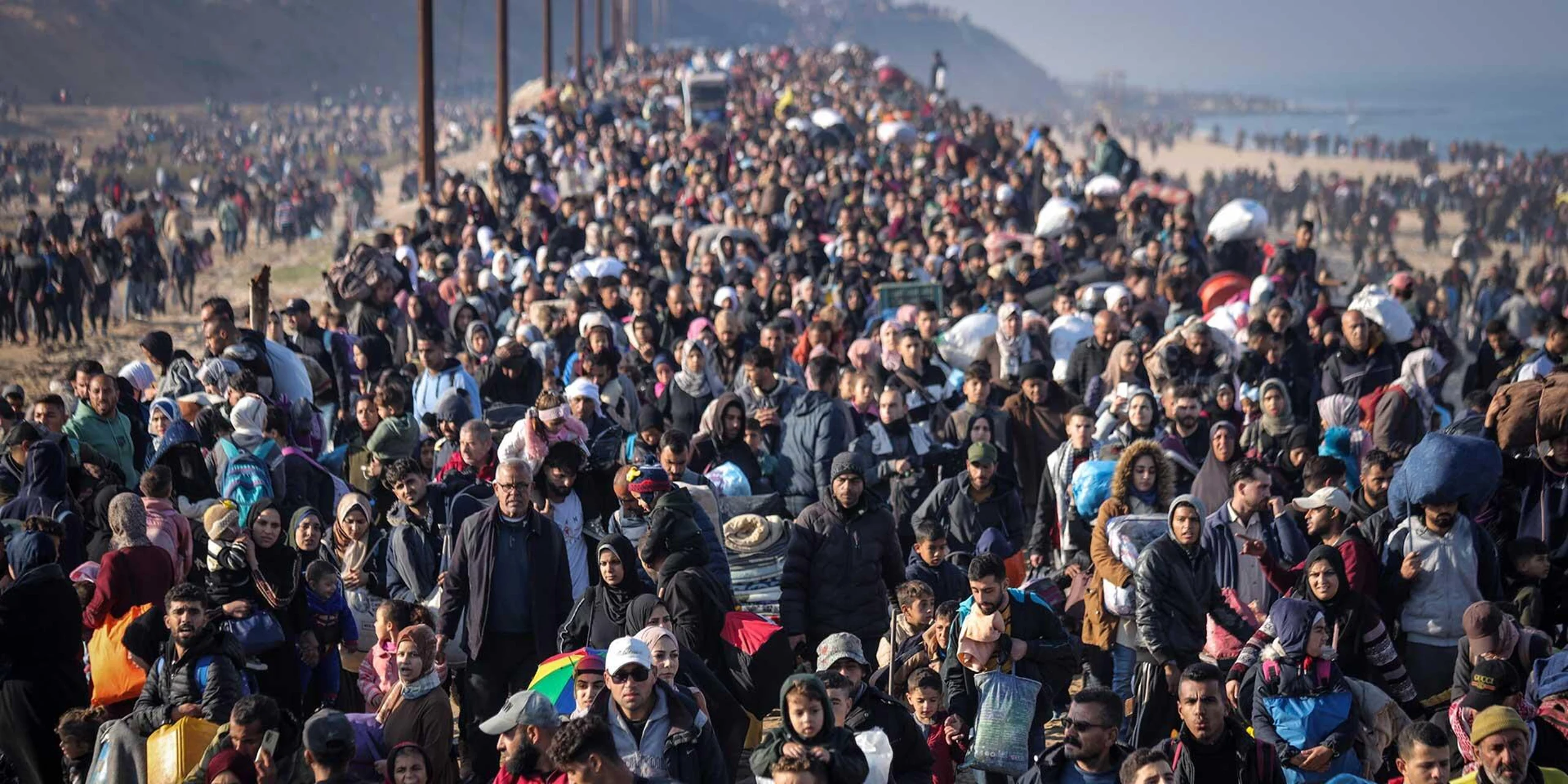
A senior official from the main refugee-council in the Netherlands has issued a stark warning: many developing countries — which currently host large numbers of refugees — may be forced to close their borders if Western nations continue to reduce foreign aid and humanitarian support.
According to the official, the pressure on under-resourced nations hosting displaced people has reached a breaking point. He said that if donor nations scale back funding, “the capacity to shelter displaced people simply won’t hold.” Many of these host countries lack the infrastructure, funds, and support to continue absorbing new arrivals without external aid.
He pointed out that while some developed countries debate shifting budgets inward, poorer nations are still bearing the frontline burden of global displacement — providing asylum, managing refugee camps, offering basic social services, and supporting vulnerable populations. With shrinking support, some governments might see no option but to stop accepting new refugees.
Human-rights and migration experts support his warning, arguing that if borders are closed, the consequences will ripple beyond the affected nations. They warn that refugees may be forced to seek unsafe migration routes, remain stranded in unstable conditions, or pressure neighboring countries already facing resource constraints.
Also Read; Algeria’s Pivotal Conference: Call for Justice and Reparations
This warning comes at a critical time: the world is experiencing a sharp rise in the number of people displaced by conflicts, climate crises, and economic instability. For many host nations already struggling with limited resources and tight budgets, a reduction in international support could mean ration cuts, diminished services, or closure of reception centres.
Refugee advocates emphasize that scaling back aid doesn’t just endanger refugees — it also threatens the stability and well-being of host communities, who often continue supporting the displaced under difficult conditions. Over decades, many developing countries have stepped in as refuge for people fleeing war, persecution, or disasters, frequently with minimal recognition or consistent assistance.
If this warning becomes reality, some experts say we may be witnessing a turning point in global refugee policy — a retreat from the informal international compact under which wealthy and poor nations alike share responsibility for displaced populations. The coming months will reveal whether donor countries recommit to humanitarian support or whether the threat of border closures becomes a grim reality for millions in search of safety.







