MWE Correspondent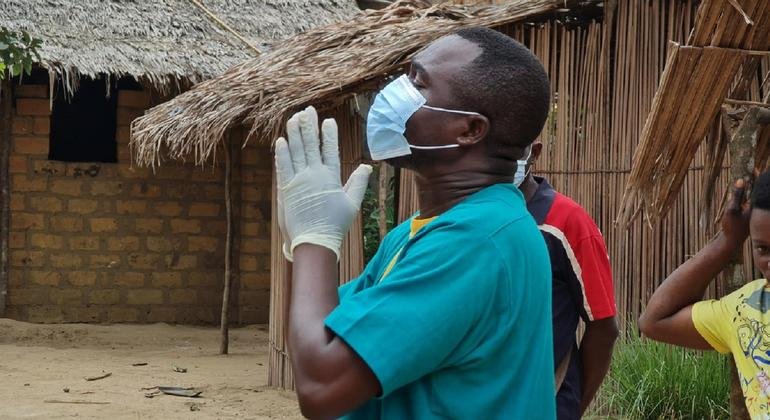
Health authorities in the Democratic Republic of the Congo have officially declared the 16th Ebola outbreak in the country over, bringing relief to communities affected by the deadly virus.
The outbreak, which began in late August 2025 in the rural Bulape Health Zone, resulted in at least 45 confirmed deaths among 64 reported cases.
Officials said the swift and coordinated response by the DRC Ministry of Health, in collaboration with the World Health Organization and other international partners, played a crucial role in halting the spread of the virus. Key interventions included early detection of suspected cases, isolation and treatment of patients, extensive contact tracing, community engagement, and a targeted vaccination campaign reaching tens of thousands of residents.
The outbreak affected several health areas within Bulape, with Dikolo and Bulape Communautaire experiencing the highest number of cases and fatalities. Tragically, five healthcare workers, including nurses and a laboratory technician, contracted the virus during the outbreak, of whom three lost their lives.
No new infections have been reported since late September, and the last patient was discharged from treatment on October 19. After the recommended 42-day observation period passed without new cases, authorities were able to officially declare the outbreak over.
Also Read; Algeria’s Pivotal Conference: Call for Justice and Reparations
Public health experts, however, caution that vigilance must continue. Surveillance and preventive measures will remain in place for at least 90 days to detect any potential flare-ups. They emphasize that continued community awareness, rapid response capabilities, and strengthened health systems are essential to prevent future outbreaks.
The announcement marks an important milestone for the DRC’s public health sector, demonstrating the impact of coordinated interventions in controlling deadly infectious diseases. While communities celebrate the end of this outbreak, health authorities stress that ongoing preparedness remains critical to safeguarding populations against Ebola and other emerging threats.
This outbreak also highlights the ongoing challenge Ebola poses in Central Africa, a region that has faced repeated outbreaks over the past two decades. Lessons learned from this episode are expected to guide future responses and improve regional resilience against epidemics.