MWE Correspondent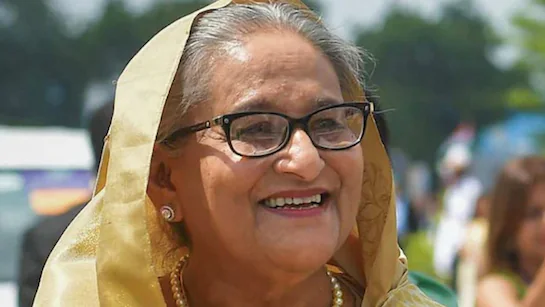
Bangladesh’s former Prime Minister Sheikh Hasina has been sentenced to death after a tribunal found her guilty of authorising a violent crackdown on a student-led uprising that convulsed the country last year.
The verdict, delivered in a tightly secured courtroom in Dhaka, marks one of the most consequential legal judgments in the nation’s political history.
Inside the courtroom, the atmosphere shifted dramatically the moment the judges announced their decision. Families of victims, many of whom had travelled long distances to witness the ruling, burst into applause and shouted prayers of gratitude. Some wept quietly, clutching photographs of relatives they lost in the unrest. Outside, crowds reacted with equal intensity — some falling to their knees in prayer, others raising their hands and chanting in relief that, for them, justice had finally arrived.
The charges against Hasina stem from a wave of anti-government demonstrations that swept the country between 15 July and 5 August 2024. The protests, driven largely by university students, were among the most intense episodes of civil unrest Bangladesh has faced since its 1971 war of independence. A major United Nations report later estimated that as many as 1,400 people were killed during the weeks of unrest, with thousands more injured — most of them shot by security forces attempting to disperse crowds.
Also Read; Samia Names New Ministers to Strengthen Government
The tribunal ruled that Hasina knowingly authorised excessive and lethal force, including the use of military-grade weapons, to suppress the demonstrators. Judges said the scale of fatalities amounted to a grave violation of human rights and a deliberate attempt to silence political dissent.
Hasina was not present for the sentencing. She fled Bangladesh in August 2024 at the height of the uprising and has since been living in exile in neighbouring India. She has repeatedly rejected the tribunal’s authority, insisting that the case is politically motivated and orchestrated by those who removed her from power. Her legal representatives said she was denied the opportunity to mount a full defence.
The ruling has sharply divided the country. Supporters of the tribunal argue that the sentence is necessary to uphold accountability after a period of extreme violence. Critics, however, worry that the decision could deepen political fractures ahead of the next national election. Human rights groups have also expressed concern about the use of the death penalty, urging Bangladesh’s interim authorities to reconsider.