MWE Correspondent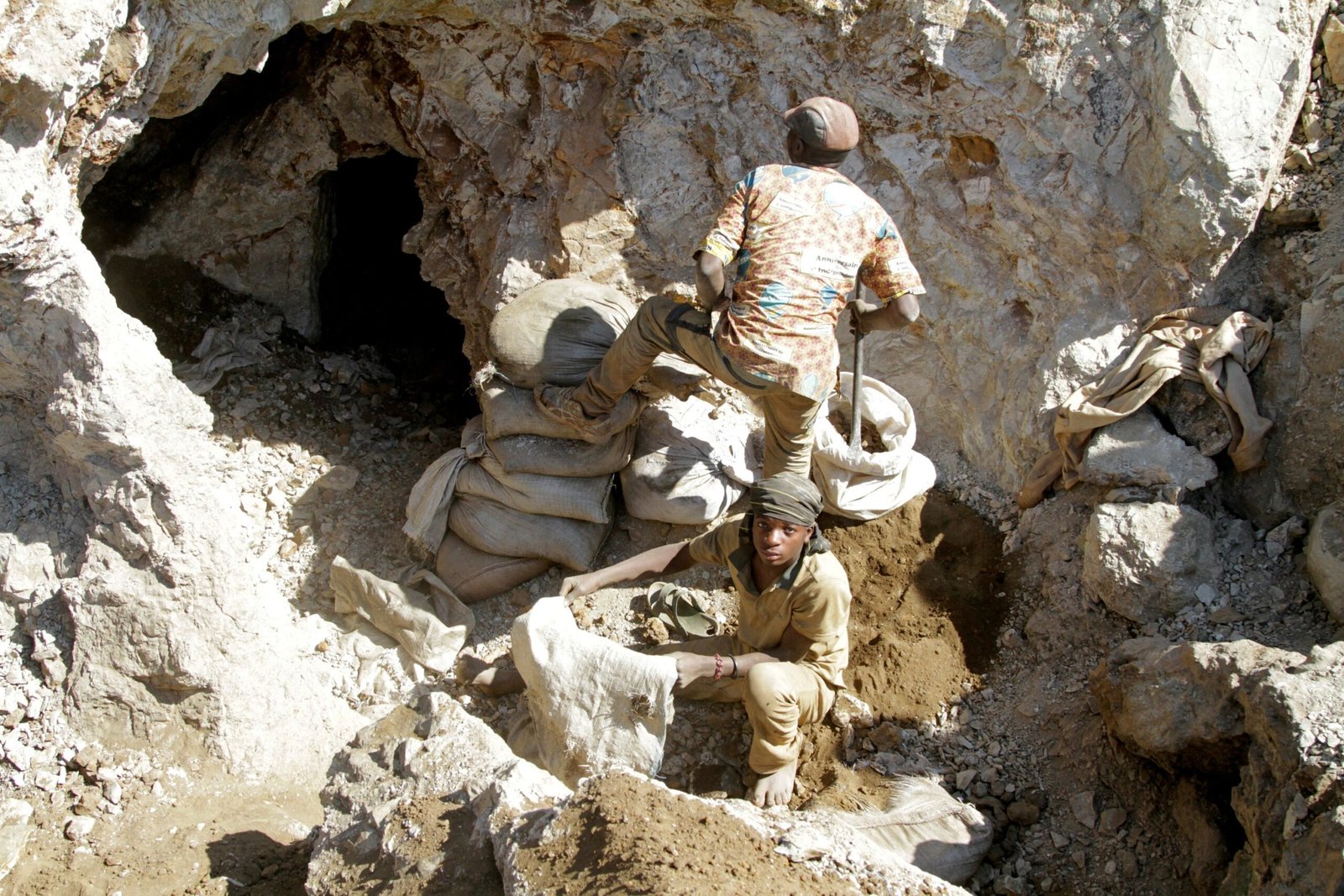
At least 32 miners have died after a makeshift bridge collapsed at a cobalt mine in southeastern DRC on Saturday, authorities confirmed.
The tragedy occurred at an informal mining site, where miners were working near flooded areas when the bridge gave way.
Provincial officials said that heavy rainfall had made parts of the mine extremely dangerous and that the area had been formally closed to unauthorized workers. Despite the warning, many informal miners, often referred to as artisanal miners, continued working at the site, seeking to extract valuable minerals.
Eyewitnesses reported that panic spread after nearby security forces fired warning shots, prompting miners to rush across a fragile bridge. The structure could not support the sudden weight, collapsing into the water below and sweeping miners into the flooded trench. Rescue teams have recovered 32 bodies so far, while others remain missing as operations continue.
Also Read; U.S. Tightens Visa Rules for Health and Financial Concerns
Authorities have suspended all activities at the mine while investigations are ongoing. Officials are looking into safety protocols, the role of security forces, and whether negligence contributed to the disaster. Human rights groups are calling for a thorough investigation to ensure accountability and prevent similar tragedies in the future.
The incident highlights the risks associated with illegal mining in the DRC, where informal operations often lack basic safety measures, putting workers at severe risk. The DRC produces the majority of the world’s cobalt, a mineral crucial for batteries used in electric vehicles, smartphones, and other electronics, making these mines highly sought after despite the dangers.
This disaster underscores long-standing concerns over the safety of informal mining operations and the urgent need for regulation, oversight, and protection of workers who face life-threatening conditions daily. Authorities continue their search for missing miners and are appealing for local community cooperation to prevent further loss of life.